
Featured Videos
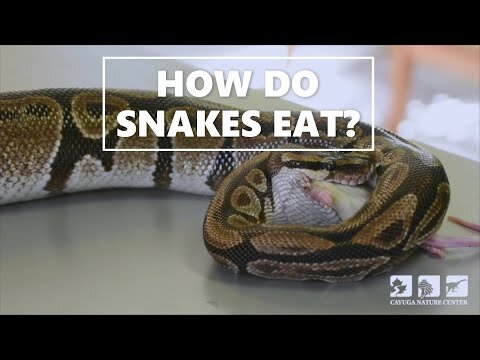
Watch and learn with the Cayuga Nature Center about how our constrictor snakes catch and consume their prey!
Coral reefs are home to the most biodiverse communities in the oceans, and provide abundant ecosystem services to humans. But reefs today are threatened by numerous environmental changes caused by human activity. A 13-year-old student at Ithaca’s Elizabeth Ann Clune Montessori School got passionately interested in these threats, and made this video about what she learned, with a little help from PRI staff.
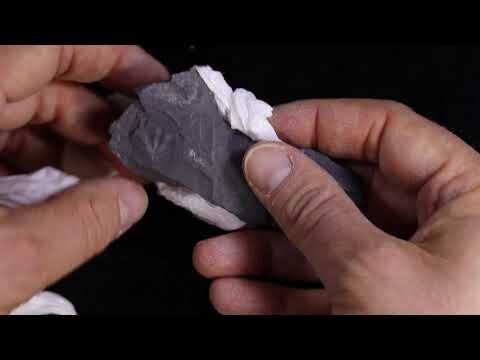
In this first video in the Fossils@Home series, PRI Director of Science Communication unwraps a bag full of fossils to find out what is inside.
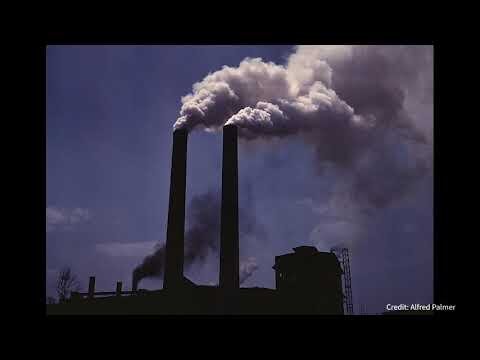
Everything emits energy. Hot objects like the Sun emit visible light, while cool objects like the Earth emit long-wavelength infrared energy. Energy of different wavelengths interacts differently objects in the environment. Gases in the atmosphere can absorb or transmit energy, depending on its wavelength. Absorbed energy warms the atmosphere. Join PRI scientists and take a look at the world in different wavelengths!
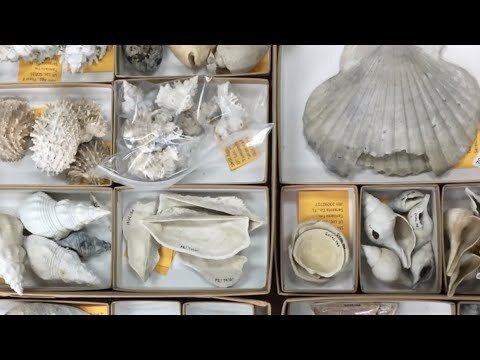
Take a tour behind the scenes of the Paleontological Research Institution to see how our collection of over 7,000,000 fossil specimens is curated, stored, and used by researchers from around the world.
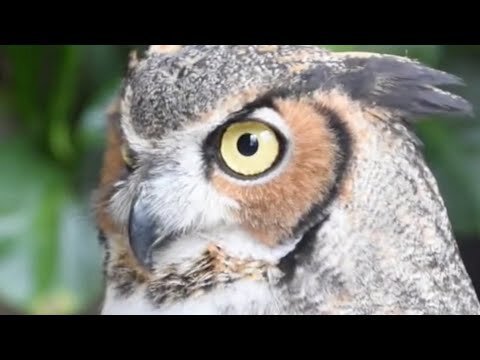
Learn all about owl ears and eyes in our first meet the animal ambassadors series, this week featuring Oakley, our great horned owl. Can owls turn their heads all the way around? How well do owls see in the day? Find out the answers to these questions and more!
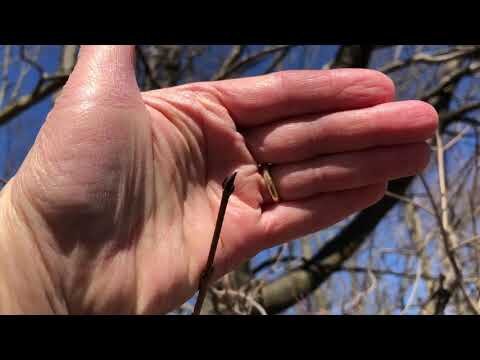
The first in a series of videos where we watch for signs of spring in several of our trees at the Cayuga Nature Center in Ithaca, New York. Learn about phenology—the study of seasonal changes in plant and animal life—and follow along as the trees awaken from their winter dormancy.
Quick Jump to a Category
Recent Videos
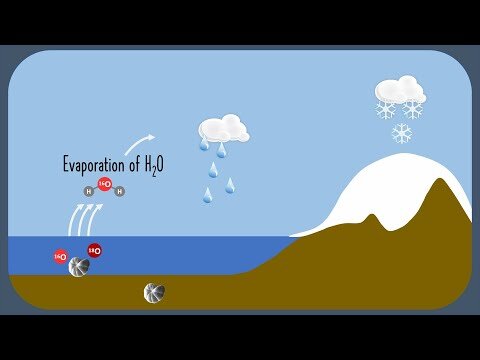
How can we figure out what ancient climates were like? Learn one way how by following the process from tiny fossils (and even tinier atoms) to giant ice sheets and the ocean!
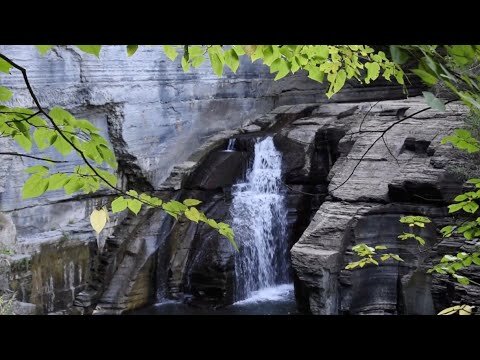
Ithaca is Gorges – but have you ever wondered why?
The answers may surprise you. Ithaca's geologic past includes oceans, earthquakes, volcanoes, and miles of glacial ice. Join geologists from the Paleontological Research Institution for a walking tour of Six Mile Creek in Ithaca, NY, to learn about the astonishing history of Ithaca's iconic gorges.
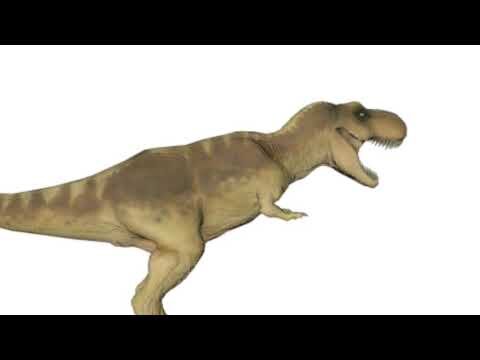
Learn how to move with the dinosaurs in these short videos! Each video will feature a different dinosaur. Ages 2-10.
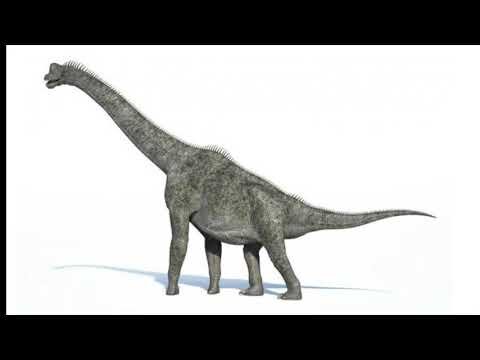
Learn how to move with the dinosaurs in these short videos! Each video will feature a different dinosaur. Ages 2-10.
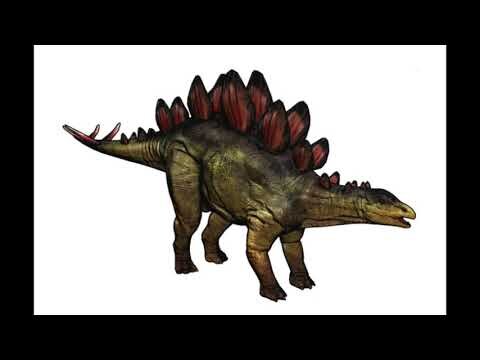
Learn how to move with the dinosaurs in these short videos! Each video will feature a different dinosaur. Ages 2-10.
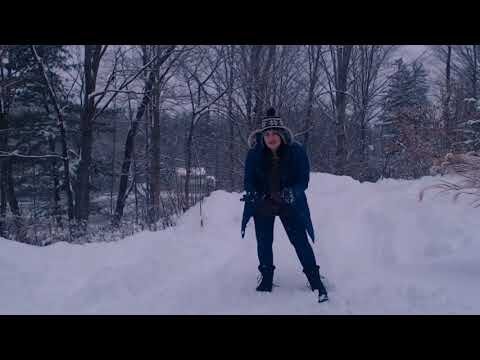
Snuggle in and join Educator Emily for Ice Age Storytime, appropriate for ages three and up. As the days grow shorter and the nights colder, hunker down like a caveperson and listen to a couple of stories while learning about animals that lived thousands of years ago, when glaciers covered New York. We'll be reading "How to Wash a Woolly Mammoth" and "This Orq. He Cave Boy" and looking at real ice age specimens.
Educator Katie will share her favorite winter tree ID tips for beginners, focusing on tree bark.
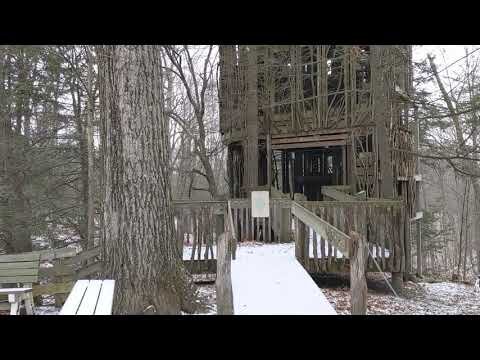
No matter what the weather is like, it’s never a bad day to go for a hike! Join our educator Katie as she prepares for a hike on CNC’s trails. She’ll review hiking preparedness, make some hiking suggestions for your family, and share how she keeps hikes interesting for younger hikers.
Join Educator Maureen and learn how to make your own 3D Fossil Tile based off of our "Sands of Time" exhibit. Download the pdf instructions here: https://www.priweb.org/event/holiday-break. To visit the “Sands of Time” exhibit from the comfort of your couch, download the izi.travel app. This activity will be in three episodes. Episode 1 will walk you through the planning and design of your tile using paper clay.
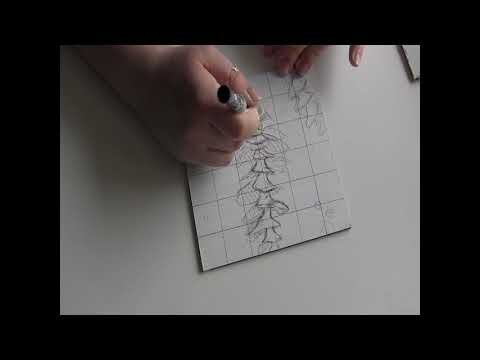
Join Educator Maureen and learn how to make your own 3D Fossil Tile based off of our "Sands of Time" exhibit. Download the pdf instructions our our Holiday Programming page: https://www.priweb.org/event/holiday-break. To visit the “Sands of Time” exhibit from the comfort of your couch, download the izi.travel app. This activity will be in three episodes. Episode 2 will walk you through the planning and design of your tile using paper clay. Episode 2 will involve using paper clay make your tile 3D by molding the clay in different areas on your tile.
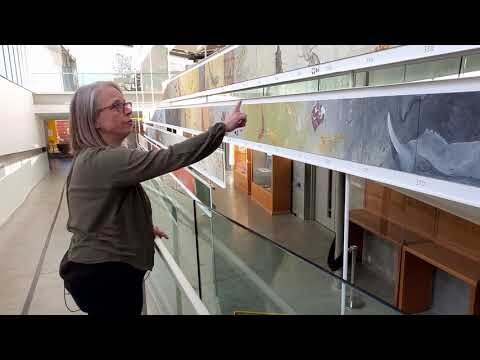
Join Educator Maureen and learn how to make your own 3D Fossil Tile based off of our "Sands of Time" exhibit. Download the pdf instructions our our Holiday Programming page: https://www.priweb.org/event/holiday-break. To visit the “Sands of Time” exhibit from the comfort of your couch, download the izi.travel app. This activity will be in three episodes. Episode 2 will walk you through the planning and design of your tile using paper clay. Episode 3 discusses how to paint and finish your tile.
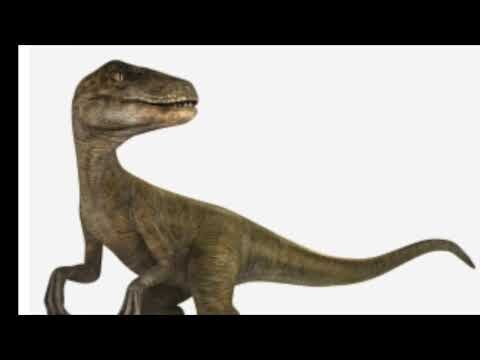
Learn how to move with the dinosaurs in these short videos! Each video will feature a different dinosaur. Ages 2-10.
Learn how to move with the dinosaurs in these short videos! Each video will feature a different dinosaur. Ages 2-10.
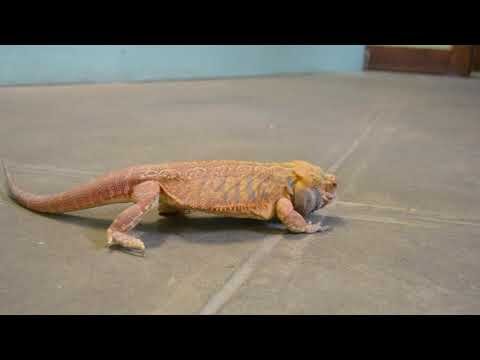
Come dance along with Nutmeg the chipmunk and all our animals at the Cayuga Nature Center to a Casper Babypants song called "The Animal Lunch". Be sure to share with us your dance moves too!
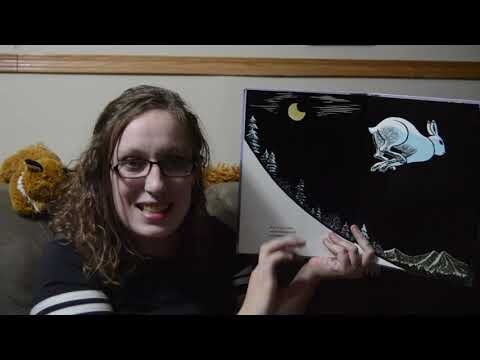
Grab your stuffy, a blanket and get comfy as we read a story about an animal that you can come and visit at the Nature Center.
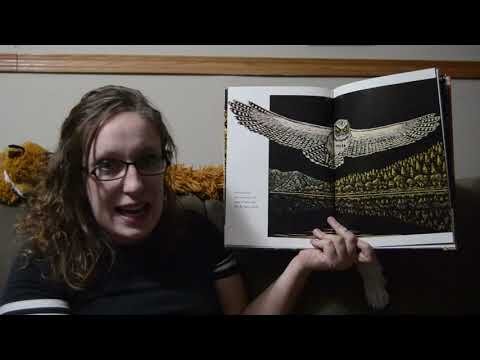
Grab your stuffy, a blanket and get comfy as we read a story about an animal that you can come and visit at the Nature Center.
Join educator Katie in CNC’s bird nook to learn about winter bird watching, what birds you might see at your feeders, and where to share your observations!
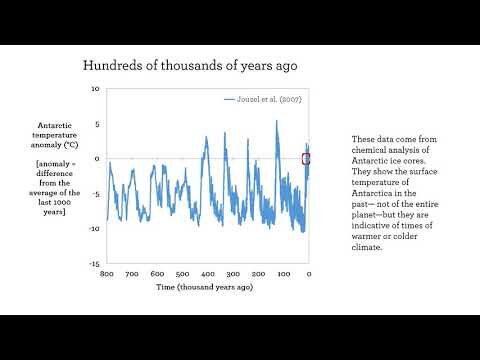
Watch the Earth’s temperature rise and fall in this compilation of data sets from about 500 million years ago to today. The data come from proxy climate indicators in the deep past, and direct measurements in the more recent past. What caused the Earth’s climate to change, and how do scientists use proxy climate indicators?
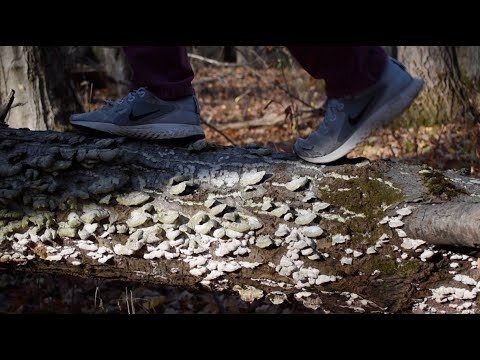
Natural systems recycle everything! In the global carbon cycle,
photosynthesis removes carbon dioxide from the atmosphere and turns it into biomass, while respiration and decay break down biomass and return the CO2 to the atmosphere.
Natural systems also run in balance – or steady state – where inputs and outputs are equal. In this video we explore the flip side of photosynthesis; we will use a CO2 probe to quantify the rate of respiration in a small patch of soil and gain hands-on experience with quantifying carbon fluxes.
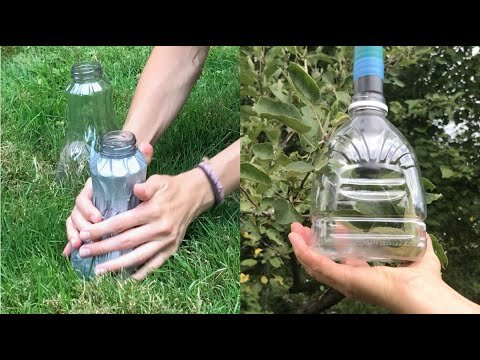
In the global carbon, cycle photosynthesis and respiration drive an
enormous exchange of CO2 between the atmosphere and biosphere.
Measuring this exchange is an important part of understanding the
carbon cycle.
In this video, we learn with Alex how to make the CO2 flux chambers
that we use to measure carbon dioxide exchange via photosynthesis and
respiration.
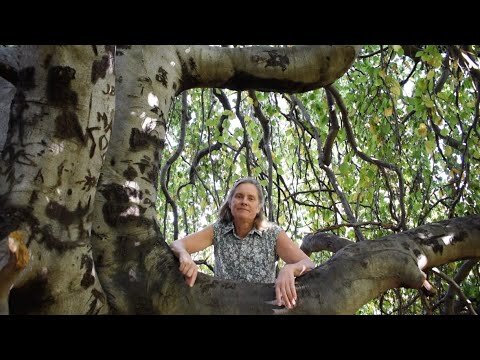
Through photosynthesis plants combine carbon dioxide and
water to create carbohydrates and oxygen. The process of
photosynthesis has a profound and measurable impact on the surrounding
environment, not only producing the oxygen that we breathe but also
pulling carbon dioxide – a greenhouse gas – out of the atmosphere. In
the global carbon cycle, photosynthesis drives an enormous exchange of
CO2 between the atmosphere and biosphere.
In this video, Alex will use a CO2 probe to measure the rate of carbon dioxide flux from the atmosphere to the leaves of plants.
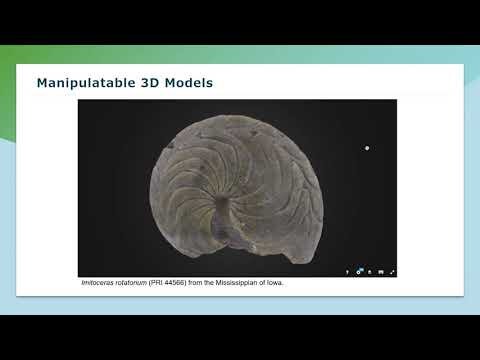
GSA 2020 Improving the Accessibility of Natural History Collections 77-11. Pandemic Paleontology: Teaching online using the Digital Atlas of Ancient Life Virtual Collection Jaleigh, Q. Pier, Emily Hauf, Jansen A. Smith, Elizabeth J. Hermsen, Jonathan R. Hendricks
The COVID-19 pandemic has forced many instructors to rapidly transition traditional in-person paleontology courses and labs to an online format and students have lost access to the physical specimen collections that play a prominent role in pedagogy.
The Digital Atlas of Ancient Life is a free, open-access website (https://www.digitalatlasofancientlife...) that features fossil field guides, K–12 and undergraduate-level activities, the Digital Encyclopedia of Ancient Life (DEAL) online textbook, and a Virtual Collection (VC) of fossil specimens consisting of over 500 interactive, online 3D photogrammetry models developed from the collections of the Paleontological Research Institution (PRI) and exhibits of PRI’s Museum of the Earth.
Most models in the VC have been given public domain licensing, enabling instructors the freedom to adapt the models for their own purposes, including embedding them in online quizzes and course websites. Models can also be 3D printed. The Digital Atlas is continuously updating its content with the goal of improving the accessibility of collections, teaching, learning, and overall interest in paleontology.
Let’s talk with Ingrid about fall tree phenology—the autumn life cycle stages of trees, and what scientists have learned about climate change and shifts in the timing of these stages.
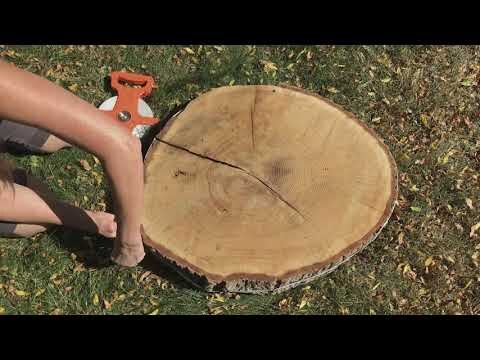
Trees remove carbon dioxide from the atmosphere – they are quite literally created from thin air! Through photosynthesis, trees combine carbon dioxide and water to create the glucose and other organic molecules that form the mass of a tree. The tree’s mass is related to its height and diameter, so we can make a very simple measurement to find the mass of a tree.
Join Alex and learn how to measure the diameter of a tree and to calculate both its mass, and the mass of carbon dioxide that a tree removes from the atmosphere and stores as biomass.
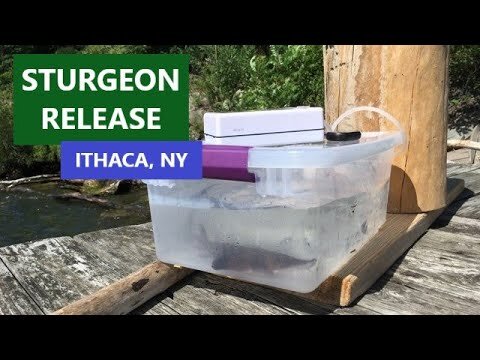
Watch as our staff at the Cayuga Nature Center release our sturgeon into Cayuga Lake!
Lake Sturgeon are the largest (up to 5 ft long and 80 lbs) and longest-living (up to 150 yr) freshwater fish in New York State. They are bottom-feeders, and belong to an ancient group of fishes with about 24 living species.
Almost all sturgeon species are currently at some risk of extinction.
Lake Sturgeon are native to most of northeastern North America. They were abundant in the Great Lakes and surrounding waters until the early 20th century, when over-harvesting and habitat degradation reduced their populations.
Atmospheric trace gases like carbon dioxide are a major control on Earth’s climate. Carbon dioxide absorbs infrared energy emitted by the Earth to warm the atmosphere – but – some people wonder if the concentration of a trace gas is high enough to have a significant effect on climate.
Join us in this video to calculate the number of CO2 molecules in a one-liter bottle of air and answer that question!