PRI offers a wide range of workshops and resources for educators of every stripe, including K-12 teachers, college instructors, museum educators, and homeschool and pod parents. If you have any questions and suggestions for how we could serve you, please contact us at [email protected].
How PRI Serves Teachers - our two-page flier on our teacher programming.
Learn about the latest news for educators in our Learning Earth educator newsletter!
Five times a year, Learning Earth brings you news about resources and programs from The Paleontological Research Institution (PRI) and its Center for Climate Change Education. Utilizing its unique collections, staff, physical facilities and digital presence, we pursue and integrate education and research. We interpret the history and systems of the Earth and its life to increase knowledge, educate society, and encourage wise stewardship of the Earth.
PRI is a national leader in Earth systems science education programming. We offer a diversity of programs and resources on Earth and environmental sciences, including climate change and energy, paleontology and Earth science, evolution and biodiversity, and conservation of natural environments.
Check out all the great events and resources we have going on below and in our future newsletters, which will go out each school marking period, as well as one edition during the summer.
Each issue includes news about new and continuing exhibits and events at The Museum of the Earth and Cayuga Nature Center, and associated educator resources, upcoming workshops, the schedule of upcoming talks in Science in the Virtual & Actual Pub, and special features.
The Fall 2026 issue is here:
🌎 Learning Earth: Educator Newsletter
In this issue of Learning Earth:
Climate Week! September 20 - 27
Climate Week Comes to Ithaca! September 22, at the Museum of the Earth
PRI at Climate Week in NYC, September 25 & 26
Teacher Resource Day - October 3, at the Museum of the Earth
Fall Bioblitz, October 2-5
MERGE 3D: A new way to interact with PRI's Virtual Collection
Place-based Education in Action - Free online workshop, Thursday, October 29th @7pm Eastern
PRI's Hadrosaur at the Museum of the Earth
Glaciers online exhibit
What’s up with Wetlands: Exploring the Relationship Between Wetlands, Humans, and Climate Change - New blog post!
New Video: PRI & teachers
Science in the Virtual & Actual Pub The Fall Season begins September 24!
Marvelous Mollusks! Closing in January
Antarctica Day Saturday, December 5
Corals Exhibit Coming in Spring 2027!
Our Funders You can be a funder too!
Shop to Support Science Education Giant eurypterids are back in stock!
There's Still More! Check the PRI Events Calendar! Mark your calendars for these events coming to the Museum of the Earth
Newsletter Archive
PRI Workshops & Professional Development Programming
Also see PRI’s Events Calendar.
Book a virtual workshop from anywhere! For more information, contact us at [email protected]. The Center for Climate Change Education at PRI offers professional development programming ranging in duration from an hour to programming that can extend across a year or more. We offer both in person and online programming. Example descriptions of workshops and programs follow.
Our online workshops are live streamed on YouTube and recordings can be found on PRI’s YouTube Channel. Look under the “Live” tab.
NYS Expectations for Climate Education Are Changing.
At the March 2026 Board of Regents meeting, new regulations were passed on the teaching of climate change across the grade span.
NYSED’s Climate Education webpage (same link as above), has a detailed FAQ that is worthwhile reading. The pages, Climate Education Guidance & Resources, and Climate Education Topics & Grade Bands are sparse at this writing (March 19, 2026), but more content should be added in the near future.
The rollout of these new expectations will formally begin with the 2027-28 school year for middle (5-8) and high school (9-12) grade bands, and the 2028-29 school year for the elementary (K-4) grade band, though districts can begin before the official rollout.
The key topics identified for climate change are:
Causes of Climate Change
Impacts of Climate Change
Solutions for Climate Change
Is your district ready? The Center for Climate Change Education at PRI can help!
New Regents Exams in Earth & Space Sciences and in Life Science: Biology debuted in June 2025 with substantially more climate and energy content than what was included in earlier exams. The June Earth Science exam almost certainly had more climate content than any statewide exam in the country. Released sample clusters for the new Chemistry and Physics exams that will debut in June of 2026 also include substantial climate and energy content.
Is your district prepared for these changes?
Prior to this past June, the Regents Examination with the most in-depth climate content was the English Language Arts Exam, with the argument essay regularly featuring climate-related content. When we change how we get energy, we also change history, providing ample opportunities for deep connection to the social studies. Climate and energy issues cannot be deeply understood without mathematics, and we can more effectively express them through the arts.
In addition to the climate change education regulation passed in March 2026, NYSED initiatives including Portrait of a Graduate and NY Inspires expect that climate change will be taught across the grade span and across the curriculum! The Seal of Civic Readiness, an option for graduates, provides ample opportunity for climate change-related action. The Blue Ribbon Commission on Graduation Measures includes the recommendation to review and revise the NYS learning standards to better align with college and career expectations, and update for family and consumer sciences, health, media literacy, and climate education.
See a document that compiles links to climate and energy-related content from the New York State Education Department here. A collection of linked resources for teaching climate across the curriculum is here.
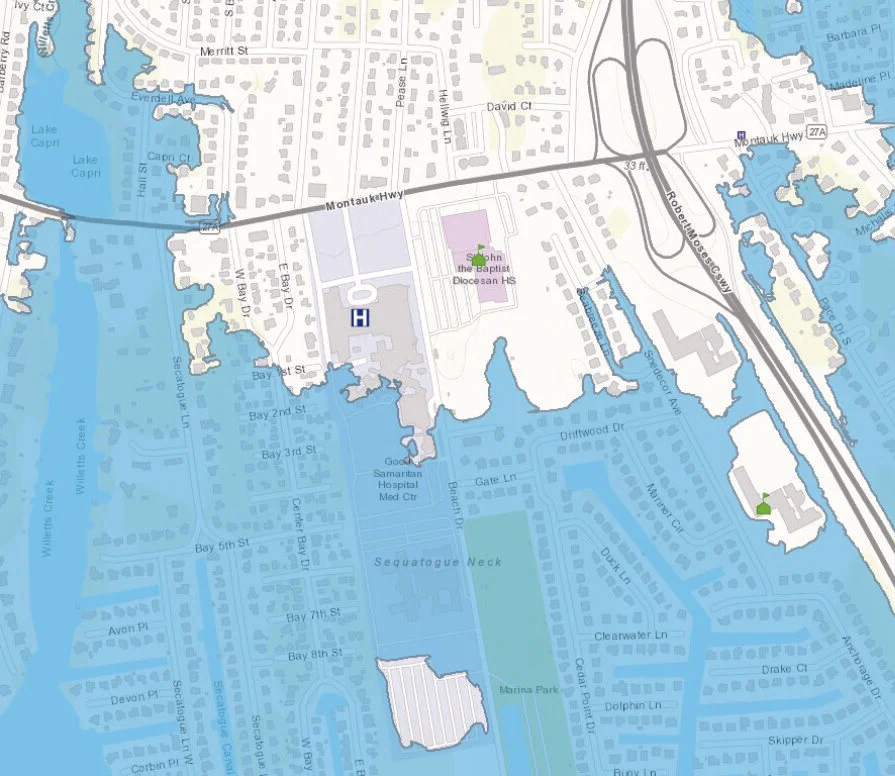
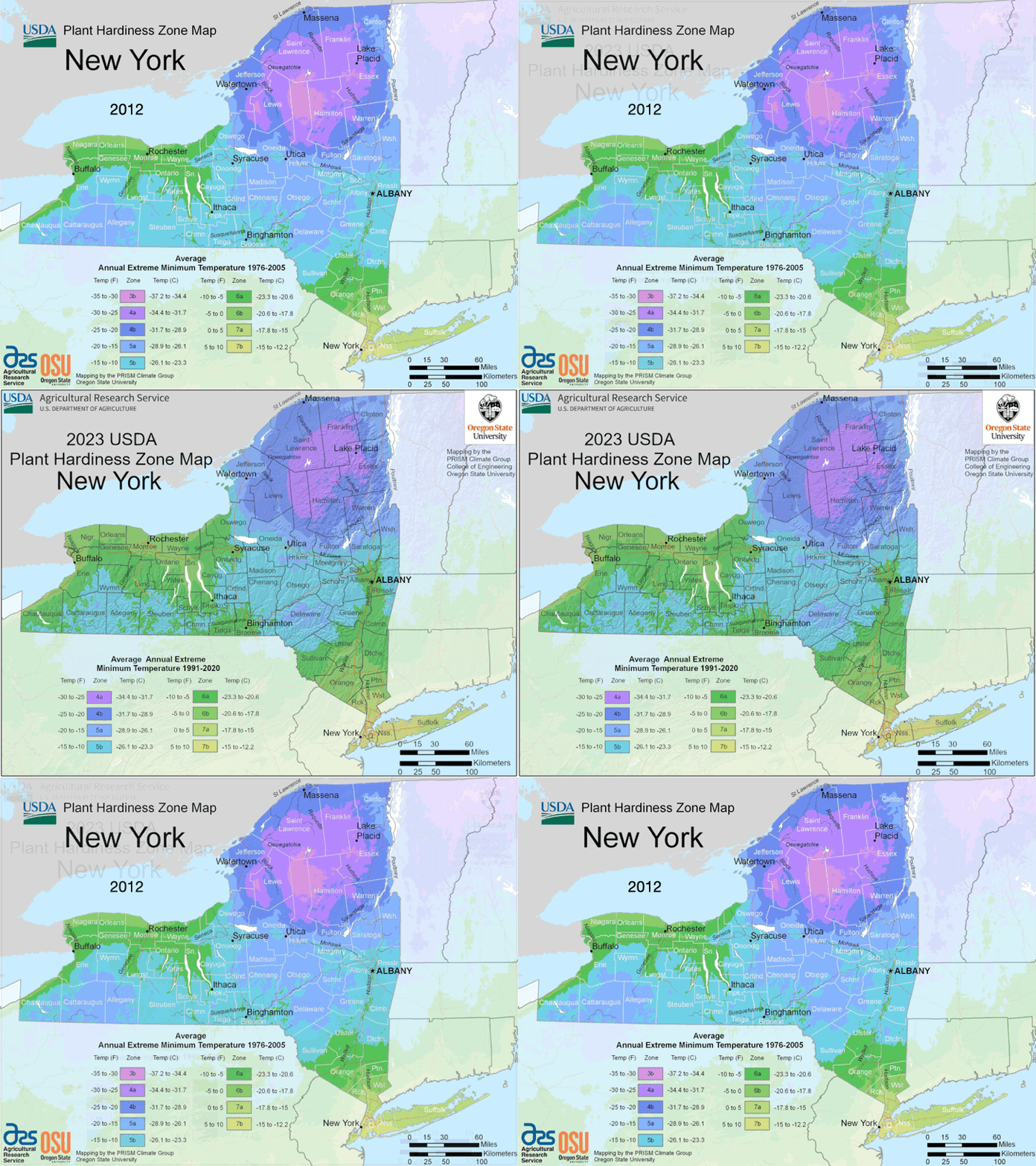
Of course these changes in educational expectations are coming because there is a climate emergency! In 2023, people across New York State experienced horrible air quality caused by Canadian wildfires, and the smoke returned this year. 2024 saw a record of tornadoes in the state. Extreme rain events have occurred in every region of the state in the last few years. Warmth in the Great Lakes have driven incredible lake effect snows.
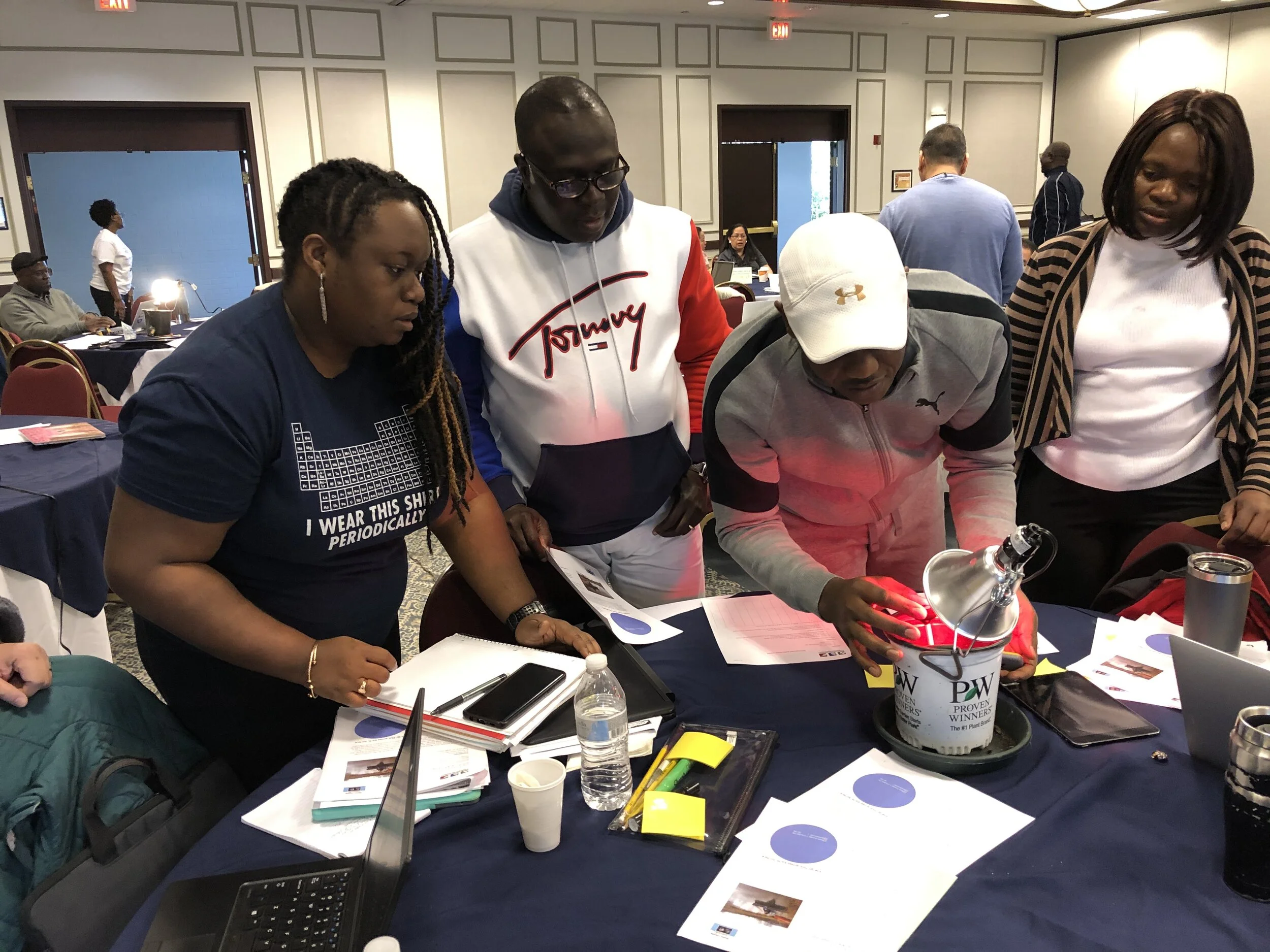
The Center for Climate Change Education at the Paleontological Research Institution can provide professional development programming at scales from an hour-long workshop to a long term collaboration to build professional learning communities in science or across the curriculum. Contact PRI's Director of Teacher Programming, Don Haas at [email protected] if you would like to learn more about our programming.
Upcoming Programming
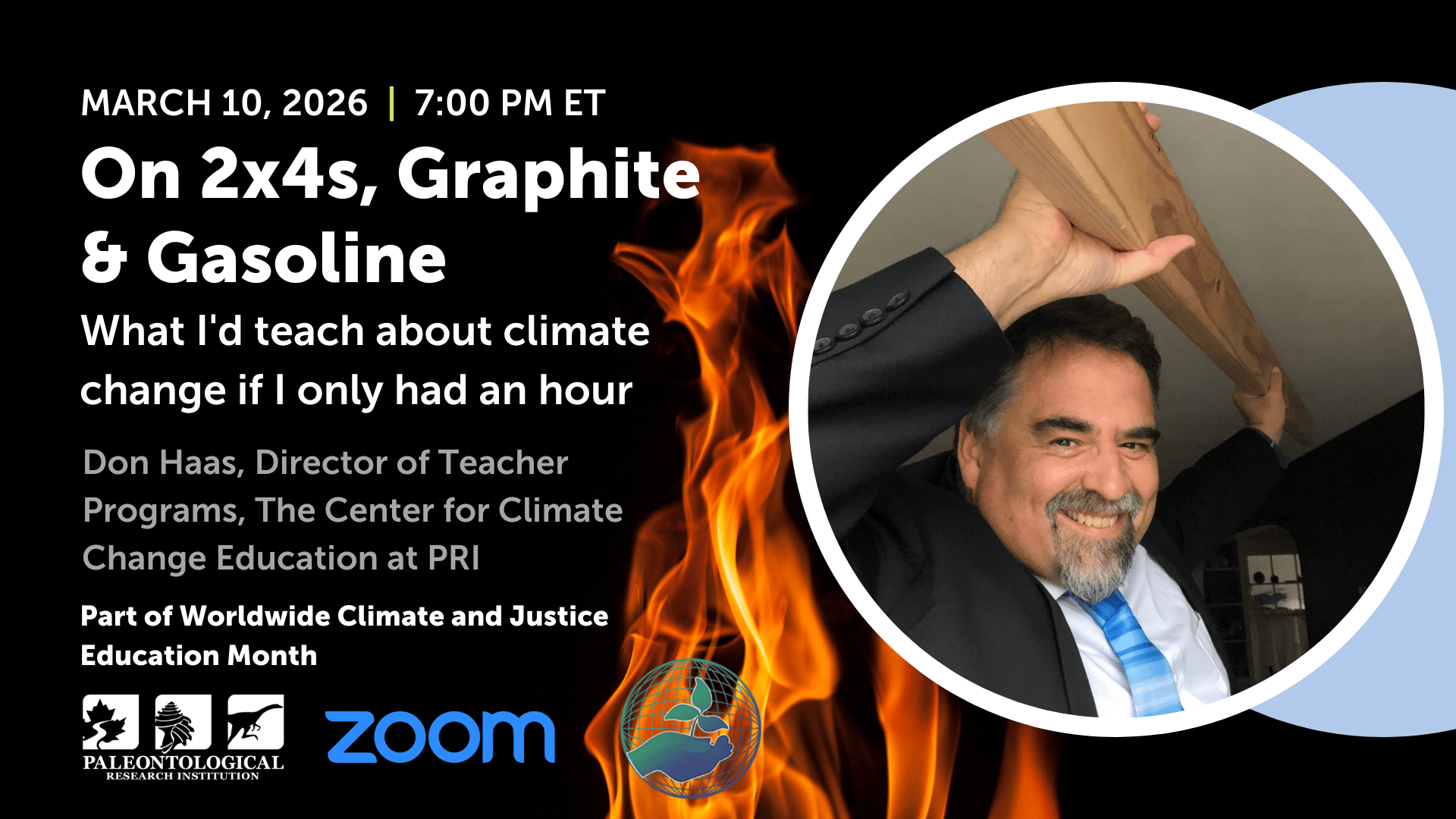
On 2x4s, Graphite & Gasoline: What I'd teach about climate change if I only had an hour
Tue Mar 10th 7:00pm - 8:30pm
Don Haas, PhD, PRI's Director of Teacher Programming
Join us as PRI participates in Worldwide Climate and Justice Education Month, a global initiative sparking real dialogue on climate solutions and justice in classes and in communities around the world.
PRI's Director of Teacher Programming, Don Haas, will share an exploration of teaching his favorite lesson (updated for 2026!), and why it is so powerful and important.
It's an investigation of the story of a gallon of gasoline, of the scale of things and of how we can bring deeper understandings of climate change to broader audiences.
The session celebrates that we are all climate educators (even those who are not professional educators) and it will help us to navigate difficult discussions. You will gain a more visceral understanding of the urgency of climate change coupled with strategies for addressing the problem and the associated negative emotions. And you will be able to employ these strategies in your own teaching immediately.
Some of the strategies that will be employed and investigated in the session include:
Social mathematics: a strategy for making really large and really small numbers easier to grasp;
Climate action as a multi-tool (for making ourselves and the world better);
The essential role of honesty in climate communication;
The value of reframing generally and specifically highlighting the role of fire in climate change; and;
More!
The interactive workshop is appropriate for educators across the disciplines as understanding climate change requires understanding broad interdisciplinary ideas. It is also intended to engage educators from across the career span, from pre-service teachers to veteran educators.
REGISTER HERE!
Selected Prior Programs
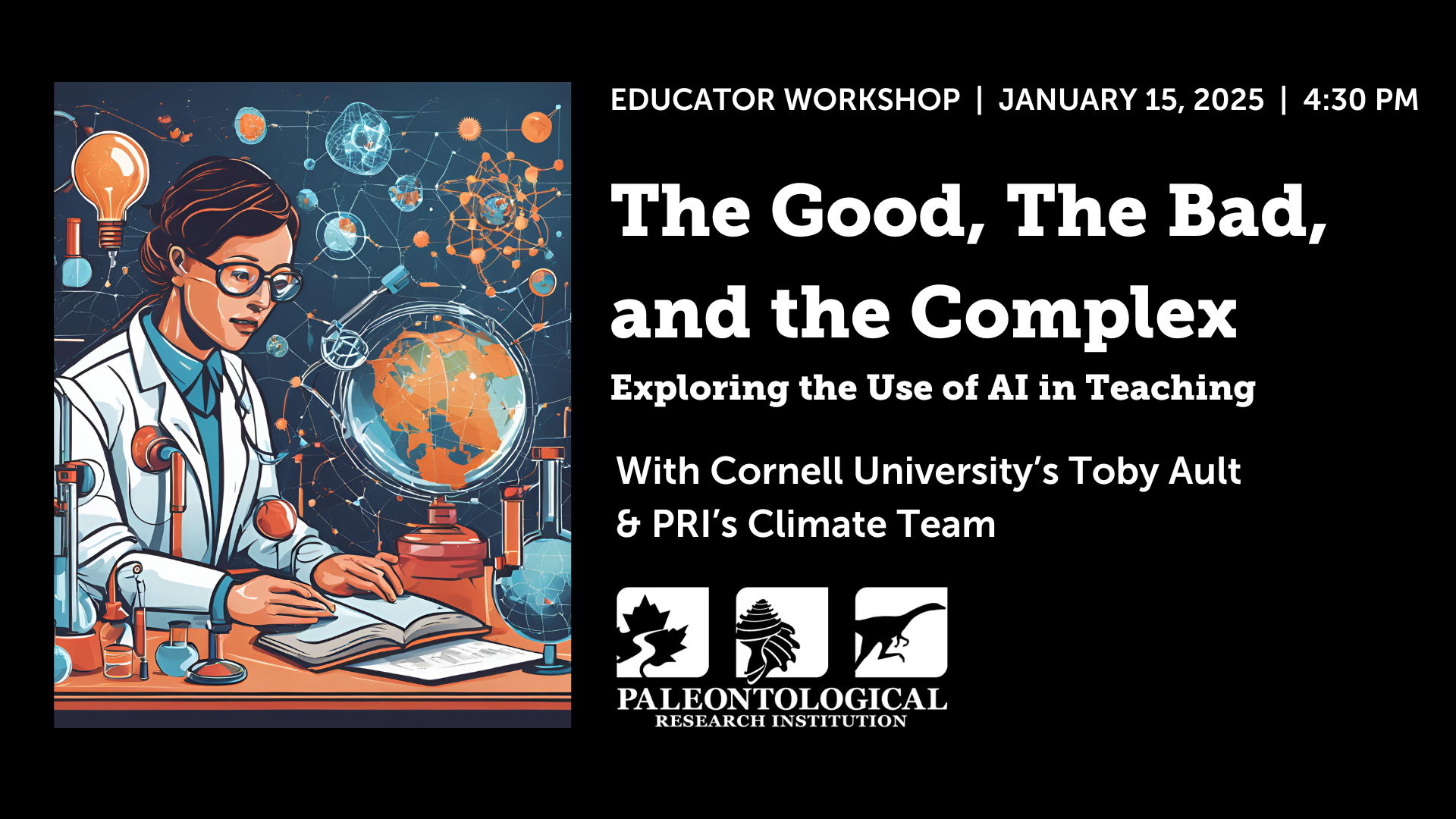
AI is here and educators – maybe you included – are figuring out how to use it. In this session you'll hear from Professor Toby Ault (Cornell University) and PRI staff about their experiences using AI tools such as NotebookLM and developing a new AI tool for working with students using the Socratic method.
The session will include an interactive demonstration of the Socratic Chatbot, which was developed through a collaboration between Cornell’s Emergent Climate Risk Lab (ECRL) and the Cornell AI Innovation Lab.
The tool readily plugs into Learning Management Systems (LMS) and can easily generate both dialogues and question banks for any course. In less than 15 minutes, teachers can set up Socratic Chat assignments and quizzes for learners. Chat topics and quiz question banks are generated from lecture transcripts, assigned readings, and any other existing materials within the course.
Professor Toby Ault and PhD Student Marty Sullivan will guide attendees through how the tool is used in classes today. Attendees will be given the opportunity to experiment with the tool hands-on, optionally with their own course materials, in order to explore its usefulness and potential for enhancing their own classrooms.
View a sample dialog.
Registration is limited to 20 (though it will be live streamed on PRI's YouTube channel).
We'll also explore these questions:
What are the implications for teachers and students of AI in the classroom setting?
What are the implications for energy consumption and associated climate impacts?
How do we decide when to engage AI in instruction and when to avoid its use?
We also want to hear from you: what have you learned from exploring AI and how are you using it in your classroom? Note that the registration form includes optional questions so that participant interest can inform the agenda.
Explore the agenda for this workshop here. The agenda has links to many of the resources used over the course of the workshop.
The workshop addressed how teaching climate change satisfies state standards in a range of ways, and includes attention to teaching climate across the curriculum. Each of the three days will have a theme with demonstration lessons and associated resources tied to the theme.
Day 1 focused upon climate and climate change;
Day 2 focused on clean energy, fossil energy, energy history, and our energy future; and;
Day 3 focused resilience and communication.
The agenda drew from our updated Teacher-Friendly Guide to Climate Change, and the workshop was led by the four authors of the guide along with a team of climate and energy scientists. We shared a wide range of resources and strategies, on our Earth@Home site. The resources have been largely developed with funding from the National Science Foundation. New resources include an extensive collection of short videos with associated activities, the Changing Climate: Our Future, Our Choice museum exhibit and its virtual counterpart, The World in a Tank: CO₂ Drawdown Challenge; and resources related to Cornell University’s Deep Geothermal Heat Research project that is a central part of the University’s decarbonization efforts, and more.
Ben Luce is also an accomplished musician and the workshop will also include an evening concert. Ben also plays with his band, Sonic Vortex. The music was accompanied by visuals created in real time from the sonic characteristics of the music and discussions of the physics behind the music and visuals, as well as the work of Ben's father, Dr. David Luce, a researcher of musical sound who was also president of Moog Music and held numerous synthesizer patents.
The agenda will be tailored to the registrants' subject areas and grade levels. Teachers in all subject areas are encouraged to attend!
Instructors:
PRI’s Climate Team:
Don Haas, PhD, Director of Teacher Programming [email protected]
Alexandra Moore, PhD, Senior Education Associate [email protected]
Rob Ross, PhD, Associate Director for Outreach [email protected]
Ingrid Zabel, PhD, Climate Change Education Manager [email protected]
Our Scientist Partners:
Toby Ault, PhD, Associate Professor, Earth & Atmospheric Sciences, Cornell University;
Ben Brown-Steiner, PhD, Program Director, the National Science Foundation, and;
Ben Luce, PhD, Chair of the Board of Directors, American Solar Energy Society, and, Discovery Analyst, Buffalo Solar Solutions Inc.
The Museum of the Earth
1259 Trumansburg Rd.
Ithaca, NY 14850
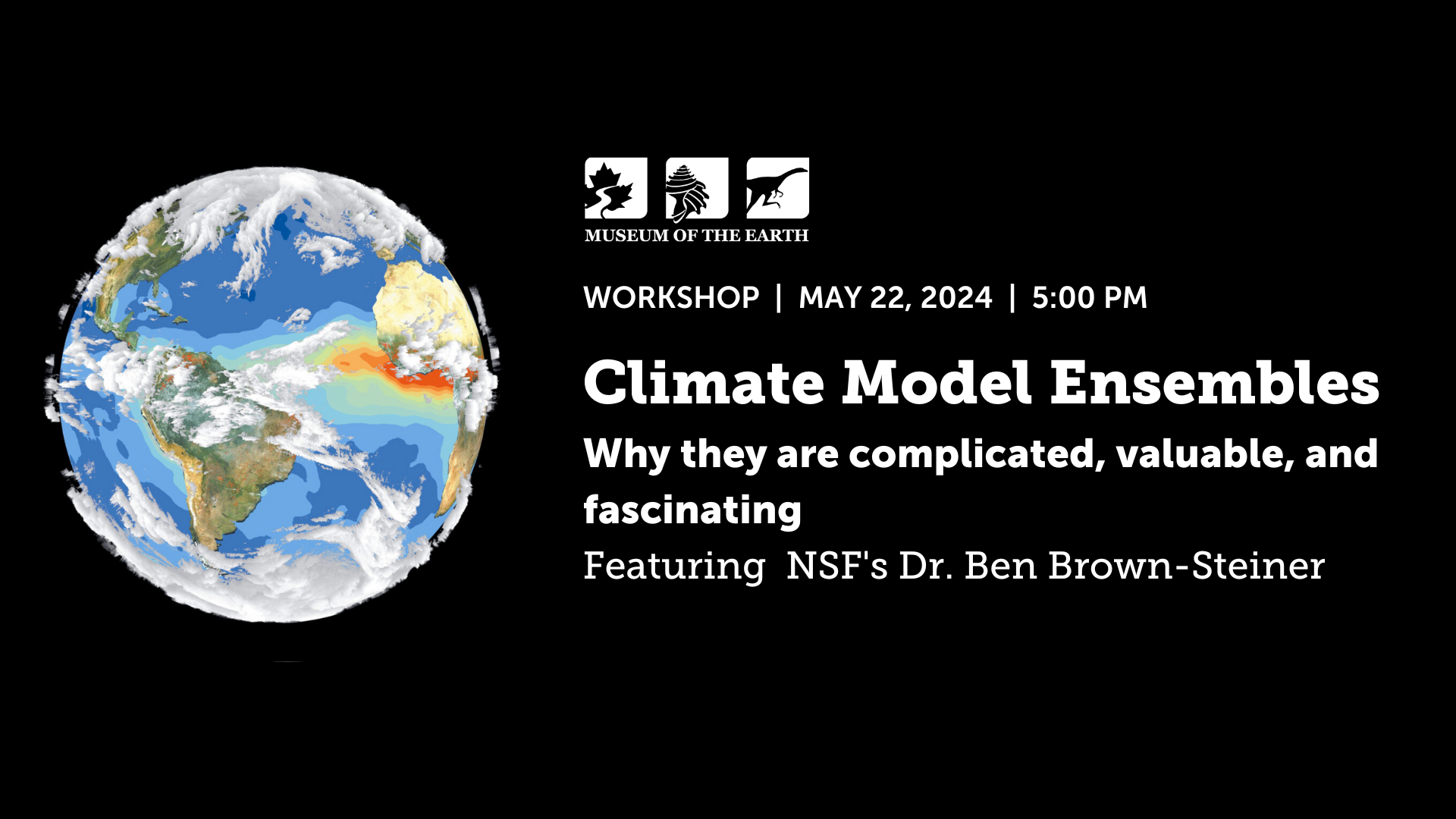
Climate Model Ensembles: Why they are complicated, valuable, and fascinating
Workshop with NSF's Ben Brown-Steiner
5:00 pm EDT on May 22nd, via Zoom - Free!
In this virtual workshop, Dr. Brown-Steiner will present an overview of climate model ensembles, including how they are configured, the value of different forms of ensembles, and the challenges associated with running, analyzing, interpreting, and discussing ensemble results. Large ensembles of climate models are used to compare and gain confidence between different climate models as well as explore uncertainties and potential pathways within an individual climate model. Gaining confidence in climate models, especially when looking at future projections, is a difficult and requires careful considerations of uncertainty, truth, and ignorance. This workshop will explore some of these issues.
Participants will also run their own "toy" climate models in an ensemble framework and we will collectively summarize, compare, discuss, and interpret our toy model results. This activity is intended to give an intuitive understanding of climate model comparisons, the difficulties that arise when discussion different model results and the different forms of uncertainty embedded within these discussions, and the balance between clear communication and jargon-laden technical details.
This virtual workshop will include short presentations, interactive components, and group discussion, with ample opportunity for questions.
This workshop has passed. See the recording here and the slides here.
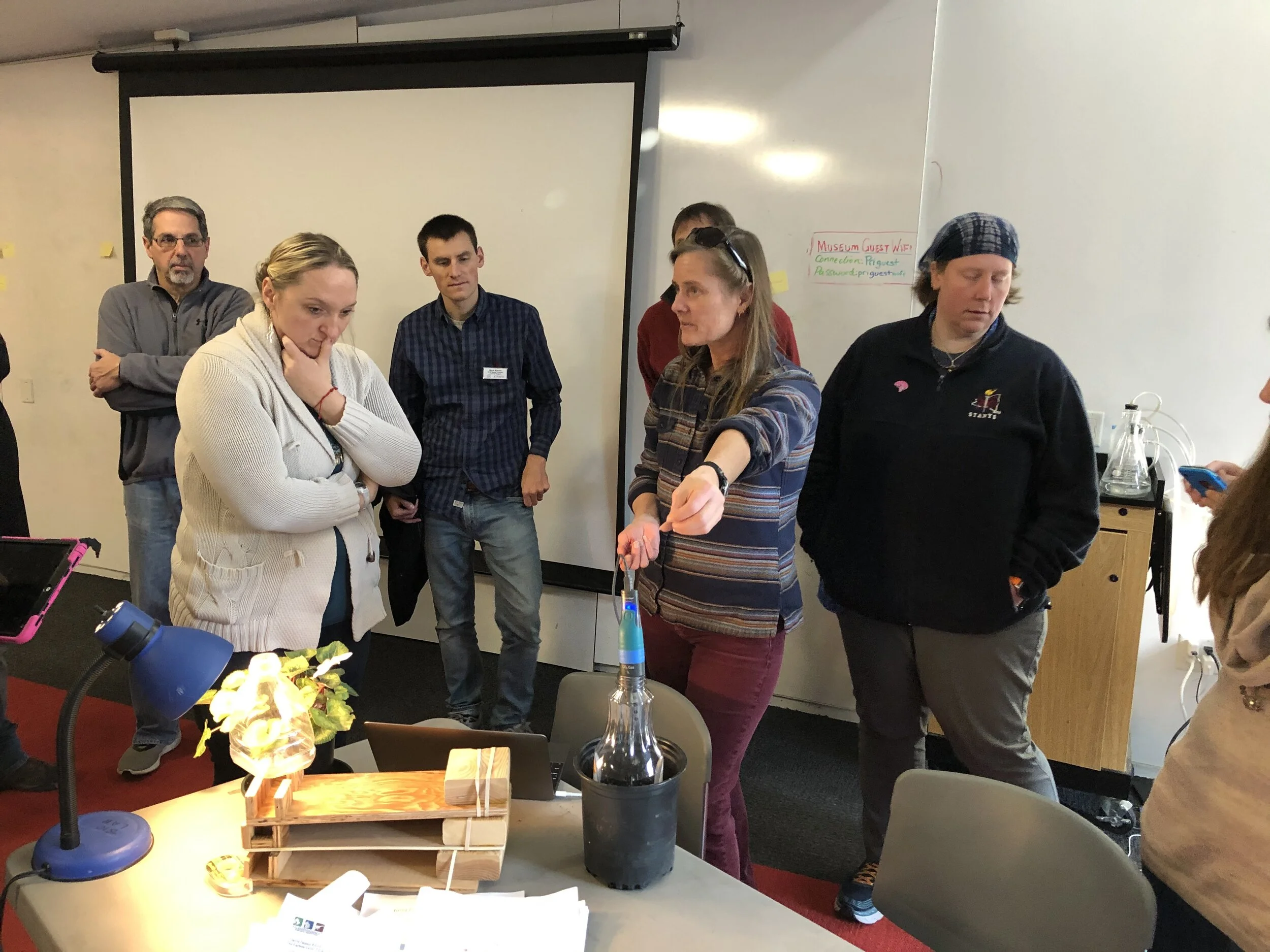
Virtual fieldwork, activities, & specimens
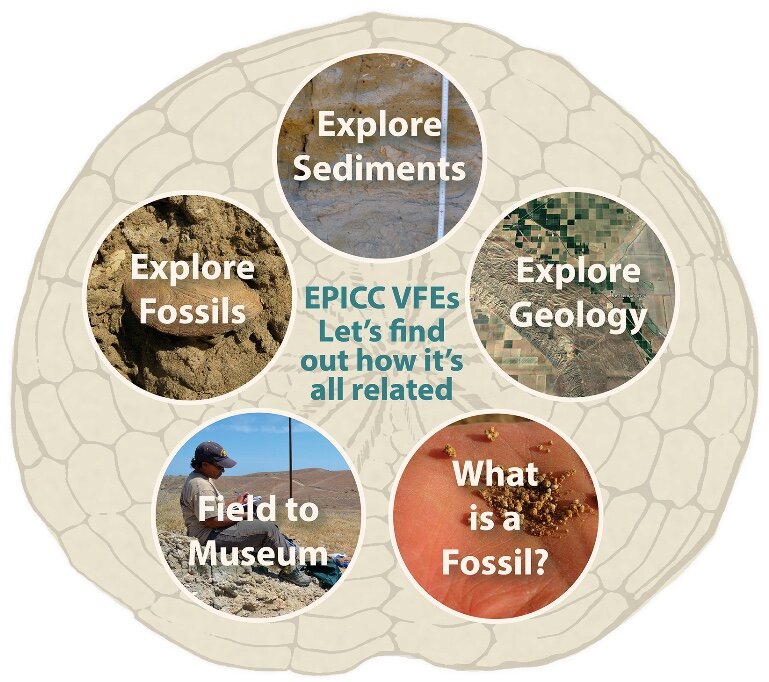
Virtual Fieldwork Experiences (VFEs): Visit interesting sites digitally, and learn how to make VFEs, on your own or with your students.
Virtual Labs: Try our sets of activities focused on the science of nature.
Climate change activities: We have a growing set of activities and demonstrations associated with out climate change education program.
Paleontology activities: You can find a set of classroom activities at our Digital Atlas for Ancient Life.
Virtual fossil collections: Use our 3-D specimen collections and try activities posted to the Digital Atlas of Paleontology.

Group programs and tours at our venues and outdoor sites
We offer a wide variety of private group programs on Earth, environmental, and life sciences using our specimen collections, live animals, exhibits, and forest and stream environments.
Currently all of our programs are outdoor or virtual.
Book a program (currently virtual) from the Museum of the Earth.
Content resources of special interest to teachers
Earth@Home is PRI’s central site for content on geology, paleontology, climate, and their interconnections, plus approaches for teaching with activities, virtual fieldwork, and virtual 3-D specimens.
Several of the video series on PRIs YouTube channel contain videos both useful for educators to watch and to show in the context of classroom activities.
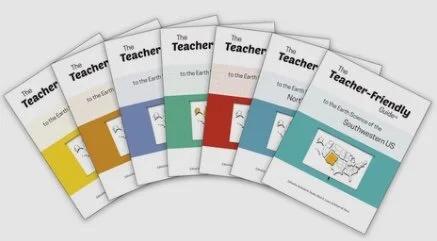
Teacher-Friendly Guides to regional Earth science of the US provide the essentials of Earth science for the whole country. There are seven regional guides in all — download any or all of them for free.
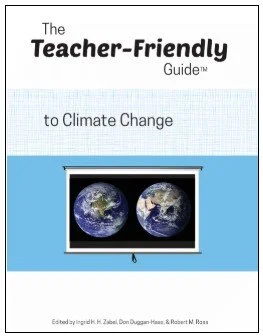
The Teacher-Friendly Guide to Climate Change provides an overview of both climate change science and how to teach it.
The Teacher-Friendly Guide to Evolution using bivalves as a model organism and The Teacher-Friendly Guide to the Evolution of Maize provide approaches to teaching evolution through familiar organisms.
PRI’s Museum of the Earth online exhibits and Cayuga Nature Center online exhibits allow you to use our exhibits in your teaching.
Teacher programs and resources
The items below highlight PRI’s projects and resources of interest to educators, some of which don’t appear directly in the categories above.