An Antarctic Scientist Who Has Never Been South
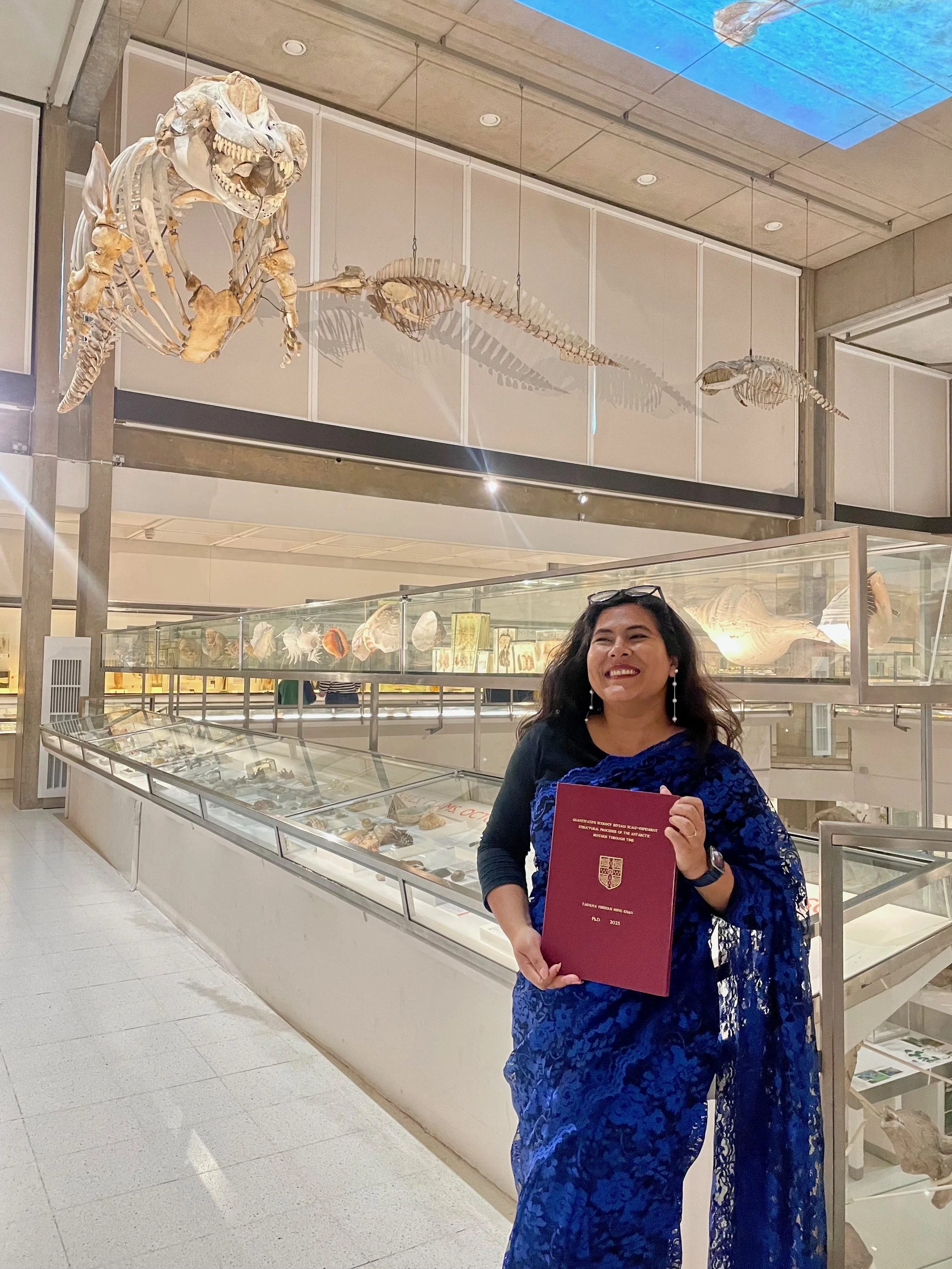
Dr. Tasnuva Ming Khan before handing in her PhD thesis, a snap at the Museum of Zoology, Cambridge.
By Dr. Tasnuva Ming Khan
April 13, 2026
My path to becoming a paleoecologist and an Antarctic scientist began not in the field, but in the collections of the Paleontological Research Institution. I cannot pinpoint exactly when in life I became fascinated with Antarctica, and sometimes the emotional pull can be hard to put into words (although see Warren Allmon’s blog post for compelling scientific reasons), especially for a girl from the tropics. My name is Ming, and I came to Ithaca from Dhaka, Bangladesh in the fall of 2014 to pursue my undergraduate degree in Science of Earth Systems at Cornell University. I was adamant from eighth grade onwards that I would study the natural world, but I had not ironed out the kinks yet, letting my interdisciplinary coursework help me figure things out. A solo field trip to PRI’s Museum of the Earth, as part of an evolution and diversity of life course my first semester, shaped the following decade of my life.
Something had me down in the dumps that day – but my afternoon exploring how fossils are torn bits of the tapestry of life on Earth, woven into the deep history of our planet – left me feeling elated. Whatever worries I had that morning dissipated and I left with a few flyers on volunteering opportunities at the Museum. I emailed PRI Director Warren Allmon that same night.
Over the next four years (Photo 1), I spent many of my weekends volunteering as a Museum Docent, leading guided tours and sitting at the fossil identification counter as visitors brought in their specimens. In addition to these forward-facing activities, I also learned about PRI’s incredible collections – drawers upon drawers of meticulously labelled specimens, hailing from places as local as the Devonian bivalves of Central New York, to places as distant as Seymour Island, Antarctica.
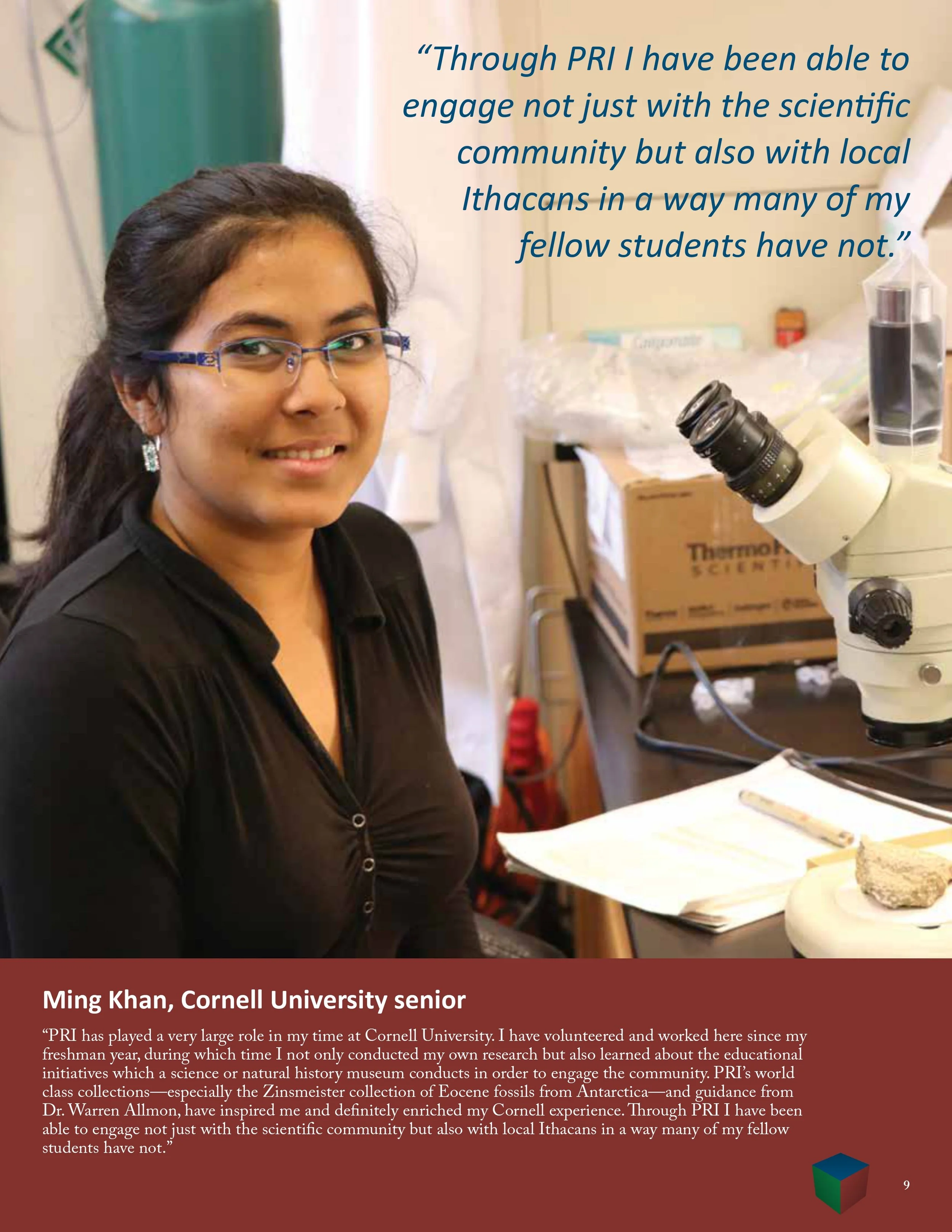
Photo 1: a page from PRI’s 2017 Annual Report, recalling my time at PRI as a Cornell student.
I was hooked.
I’d never been to Antarctica (and I still haven’t), and yet, there the fossils lay, impressive and silent, tucked away lovingly in a large section of the basement. The Zinsmeister Collection of Antarctic fossils had transported me to their icy worlds, evoking images of penguins on land, ammonites in the water, and crinoids on the seabed – all while being firmly rooted in Ithaca. Most of the fossils were from Seymour Island – a small (just 70 km 2 ) island situated in the northern tip of the Antarctic Peninsula, but one that holds over 40 million years of Earth’s history (Photo 2). Earth scientists have studied the geology, sedimentology, paleontology and ecology on this island for decades, revealing an exceptionally rich and continuous fossil record spanning from the Late Cretaceous (approximately 71 Ma) to Late Eocene (approximately 33 Ma) (Photo 2). From the development of cool, temperate forests and the early evolution of penguins, to understanding the origins of modern-day Southern Ocean seafloor ecosystems, Seymour Island is a key site for understanding how life in the polar regions evolved, and how it responded to long-term climate change.
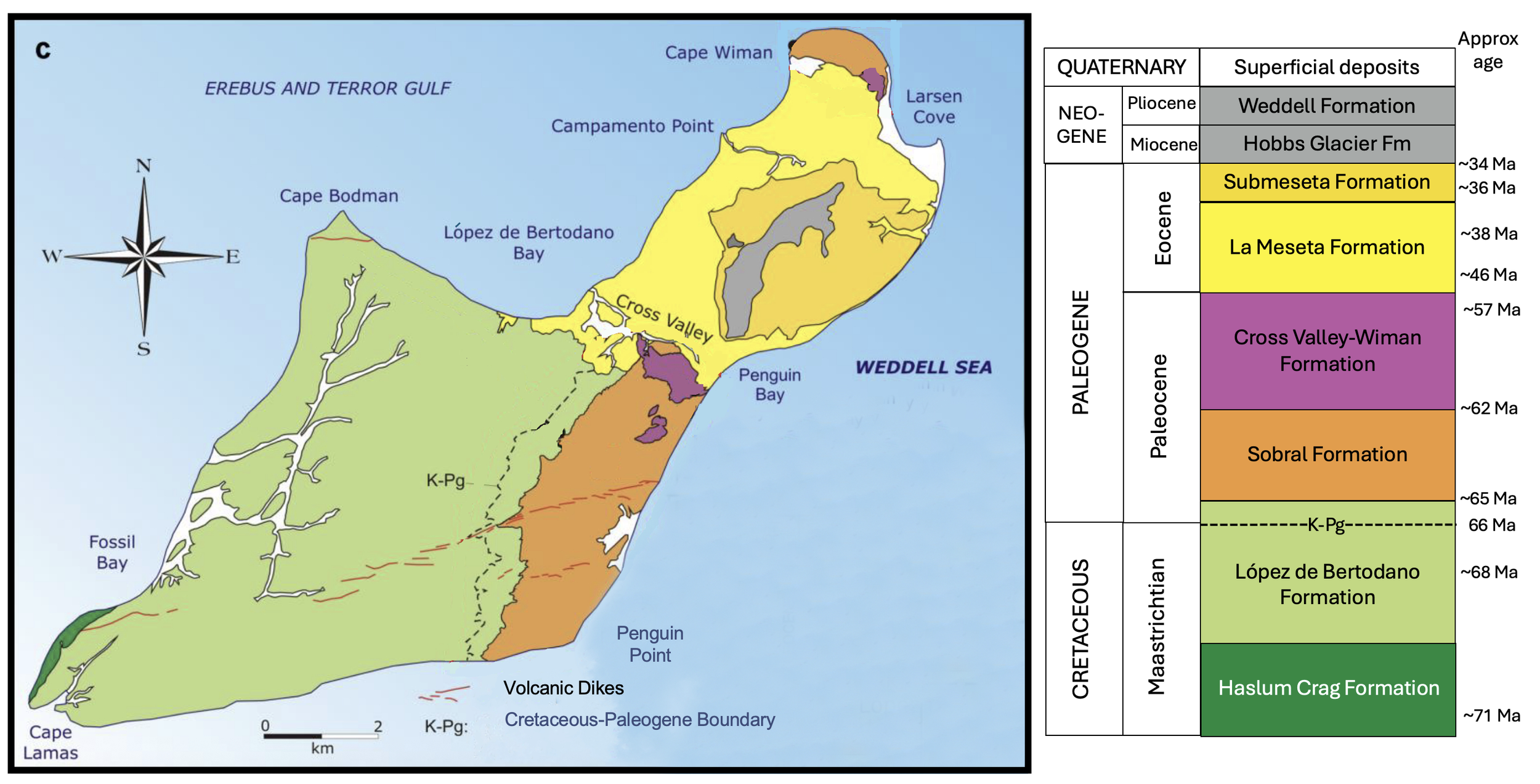
Photo 2: Simplified geology and stratigraphy on Seymour Island. Modified from Montes, M., Beamud, E., Nozal, F. and Santillana, S., 2019. Late Maastrichtian Paleocene chronostratigraphy from Seymour Island, James Ross Basin, Antarctic Peninsula: Eustatic controls on sedimentation. Advances in Polar Science, 30(3), pp.303-327.
Many of these insights into the history of life in Antarctica were based on the pioneering work of scientists who collected material in situ during fieldwork – sometimes in grueling weather conditions, often over multiple field seasons, usually at great expense, and frequently involving national and international research programs. We know that Seymour Island is ideally placed for palaeoecological studies because geologists have identified nearly continuous deposition of sediment (meaning not a lot of gaps in the record). We know that in the Cretaceous Period (around 70 million years ago), Antarctica hosted a temperate forest and warm “greenhouse” climates, and that the climate cooled much later in the Eocene and Oligocene epochs (around 40-35 million years ago) (“icehouse” climates), as indicated by studies of fossil pollen. We know that in the oceans, unlike today, shell-crushing predators like crabs and sharks formed key parts of the marine ecosystem during the Cretaceous and Eocene, because, in addition to fossilized remains of these predators themselves, paleobiologists found drill holes and scars on other benthic fauna that preserved more easily. These insights were only possible because of the work of Antarctic scientists in the field – and it is this work that often defines how we imagine Antarctic science and Antarctic scientists. Photographs in the field make for some of the most compelling parts of any Antarctic research story – how can they not, when the snaps depict a tent pitched in a remote landscape, glaciers in the background, perhaps a whale or two in the water, penguins sauntering nearby, and happy scientists wielding rock hammers? On the opposite end of the spectrum, tales of battling the elements, difficult working conditions, long hours, and primitive food add an air of human resilience in the quest for science. Fieldwork – especially in a place as remote as Antarctica – can become the most visible aspect of Antarctic research.
However, for the vast majority of people living on this planet, a trip to the great southern continent, whether for tourism, research or conservation, is simply not feasible, due to cost, lack of accessibility, and a myriad of other structural issues. For many scientists, myself included, being on Antarctica can feel like a pipe dream – something just out of reach. But can Antarctic science only take place on the continent itself? Can only those select few who have the opportunity to go there – an exclusive, perhaps even exclusionary group – call themselves Antarctic scientists? Or are there ways that Antarctic science can embrace accessibility, inclusion, and a sense of belonging?
I was not actively thinking about scientific access when I first started interacting with the Zinsmeister Collection at PRI. Back at the Museum, in 2017, Warren (now officially my advisor) and I started examining the specimens in more detail. I wanted to write my senior thesis based on materials in the PRI Collections. We landed on slabs of rock that were littered with turritelline gastropods – turret-shaped, tightly coiled marine snails that are extremely abundant and diverse, and found worldwide. Turritellines are often found in dense assemblages, termed “turritelline-dominated assemblages” (TDAs). These TDAs have been suggested to reflect high nutrient input into benthic ecosystems. On Seymour Island, the turritellines are mainly found in the La Meseta Formation from the Eocene epoch (Photos 2 and 3), and the question I set out to explore was what these dense accumulations represented. Did they record moments of especially high productivity in ancient Antarctic ecosystems, or were they shaped by the processes that govern how shells are transported and preserved? Our results suggested the latter: these striking fossil beds were not simply signals of ecological change, but were strongly influenced by currents, sediment movement, and the way shells accumulate over time – a record not just of life, but also of how it is preserved.
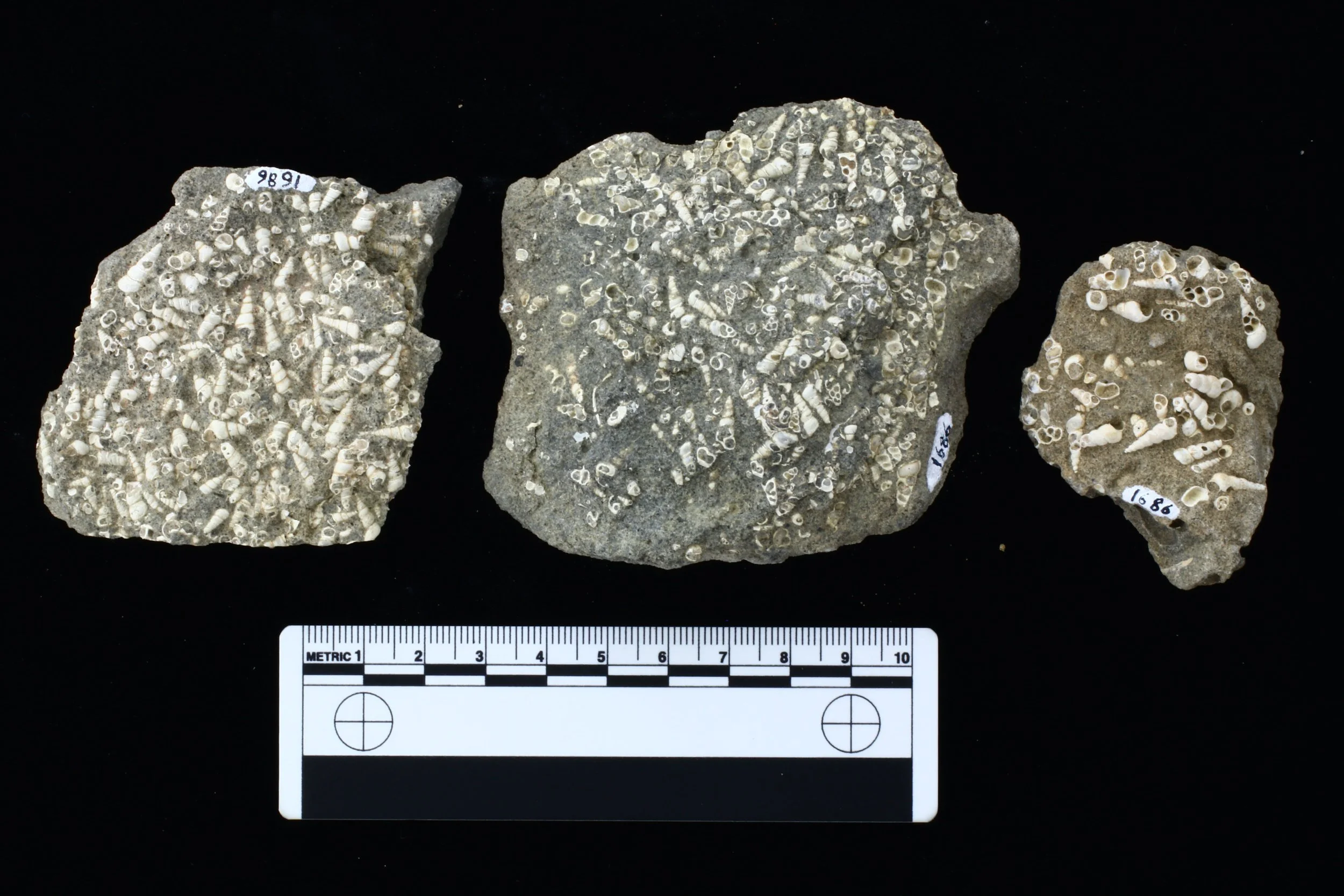
Photo 3: TDA specimens from the La Meseta Formation: PRI 63020
As I read lots of papers – a key component of the scientific process – the same names cropped up again and again, and a fun sense of familiarity began to develop. I don’t think I’m alone in feeling that kinship. Last names you see often start feeling like old friends – even if you have never interacted with them personally before. In the age of scientific social media, many of these names are only a tweet away, and at the height of the pandemic, many of us were chronically online. By this time, I’d finished my undergrad at Cornell, worked for a year, and then moved to Germany to pursue a Masters in Paleobiology. The pandemic meant all field studies were out of the window, and my focus shifted to quantitative paleobiology using large databases, i.e., topics I could easily study remotely. One could argue I spent entirely too much time online, and on the site formerly known as Twitter, but it was through a chance encounter on this site that I was brought back to Antarctic science.
In late December 2020, I tweeted “Done with PhD applications!”
Dr. Emily Mitchell in the Department of Zoology at the University of Cambridge had liked my tweet. Not familiar with the name at the time, I dug deeper, and discovered she was an Independent Research Fellow funded by NERC (the British equivalent of the National Science Foundation in the U.S.), and was seeking a PhD student to study modern day Antarctic seafloor communities using marine images collected using towed cameras on ships. The position was interdisciplinary and came with an advisory committee – one of whom was Dr. Rowan Whittle at the British Antarctic Survey.
The name Whittle sounded like an “old friend”; she’d worked and published extensively on the paleontology of Seymour Island.
With only ten days left to the application deadline (and a Christmas and New Years’ holiday in between) – I immediately messaged Dr. Mitchell on Twitter. She put the whole supervisory committee together for an informal meeting before the deadline. The project was originally meant to focus exclusively on marine imagery and present-day ecosystems, but with my paleontological training, we modified the proposal to investigate Antarctic seafloor community structure through space and time. The British Antarctic Survey held its own fossil collections, similar to those at PRI, and these could be part of the project.
I was accepted and I moved to the United Kingdom in October 2021 to start my PhD, excited to become a full-fledged Antarctic scientist. The pandemic had still not eased much by then, but my PhD work would rely almost entirely on existing data (my examiners called it “reassuringly COVID-safe”), and if the opportunity arose, we would integrate some Antarctic fieldwork. Two of my three PhD papers were based on photographs of the seafloor, collected in 2019 during an expedition to the Weddell Sea. I comprehensively annotated everything I could see in the photos, armed with a field guide and with the help of the marine biologist on my supervisory committee. When we couldn’t identify something ourselves, we reached out to the marine science community on Twitter, who helped us narrow down a family or genus name. When I’d find something beautiful – like a gorgeous octopus that had almost looked like it camouflaged itself into the sediment, or a field of blue sponges that looked like iridescent donuts – I’d tweet a photo. A particularly humorous snap caught a sea cucumber mid-poop (Photo 4). How remarkable it was, that I could study the depths of the Antarctic seafloor from my desk in Cambridge! And how exciting it was, to share glimpses of this life with people from all over the world, most of whom would never go anywhere near the frozen white continent. The fact that the Antarctic seafloor was teeming with life, rather than a vast empty wilderness, was what was most surprising to everyone I talked to, and perhaps even myself.
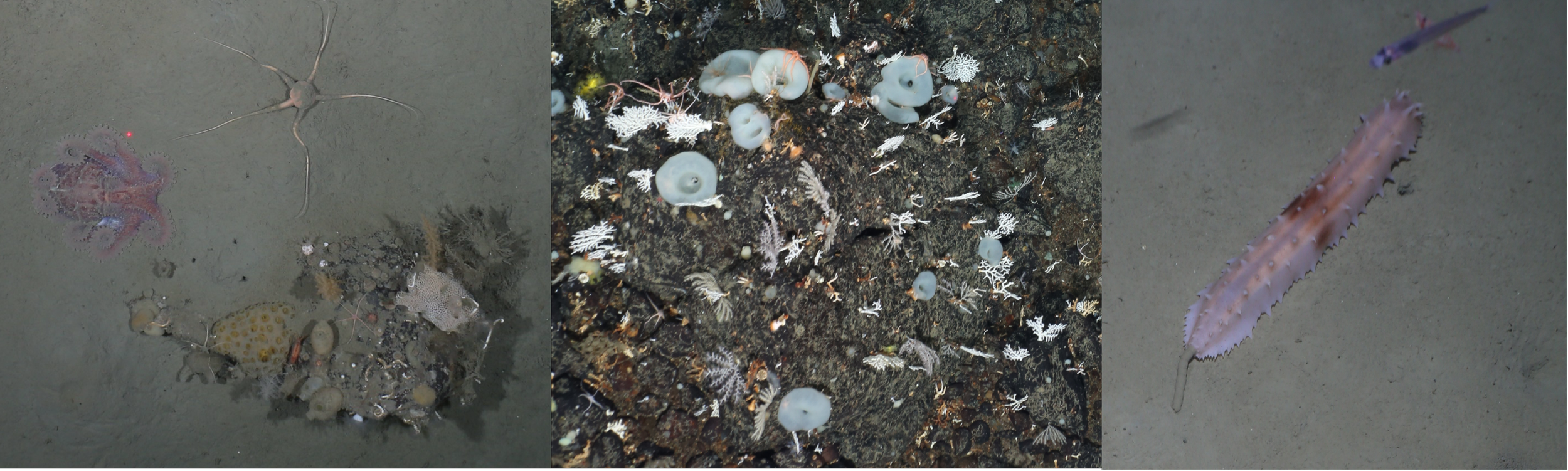
Photo 4: Snaps from the Ocean Floor Observation and Bathymetry System, taken of the Antarctic seafloor. All photos by PS118 OFOBS team.
I returned to PRI (Photo 5) for my final PhD paper, published in February 2026 in the journal Palaeogeography, Palaeoclimatology, Palaeoecology, studying the benthic community structure just before the Cretaceous-Palaeogene mass extinction (K-Pg) [8]. Seymour Island is the only macrofossil section where the details of the K-Pg extinction is still debated [1], and the Zinsmeister Collection plays a part in the story. From my undergraduate days, I was aware the large number of latest Cretaceous specimens that were housed at PRI, recovered from the López de Bertodano Formation (LBF). My coauthors and I wanted to use a novel ecological method called metacommunity theory to identify “ecosystem complexity”, which is a proxy for ecosystem health, in the 4 million years prior to the extinction event. However, a challenge of working with the PRI collection was that much of the material was collected opportunistically rather than systematically, without information on sampling effort, and over multiple field seasons, which were not tied to measured section lines. In practice, this meant that my analyses had to be done at a fairly coarse temporal resolution – at informal cartographic subdivisions of the Formation, divided along distinctive beds that were easy to trace along aerial photographs [2]. These units were called KLBs (“Cretaceous López de Bertodano”), but due to the how homogenous the LBF sediments are, identifying the KLB boundaries are challenging in the field. Such complexities had previously hindered quantitative palaeoecological studies, but rather than treating these as limitations, we explicitly tested how these uncertainties might influence our results, developing sensitivity analyses to account for variation in sampling intensity and the positioning of key stratigraphic boundaries.
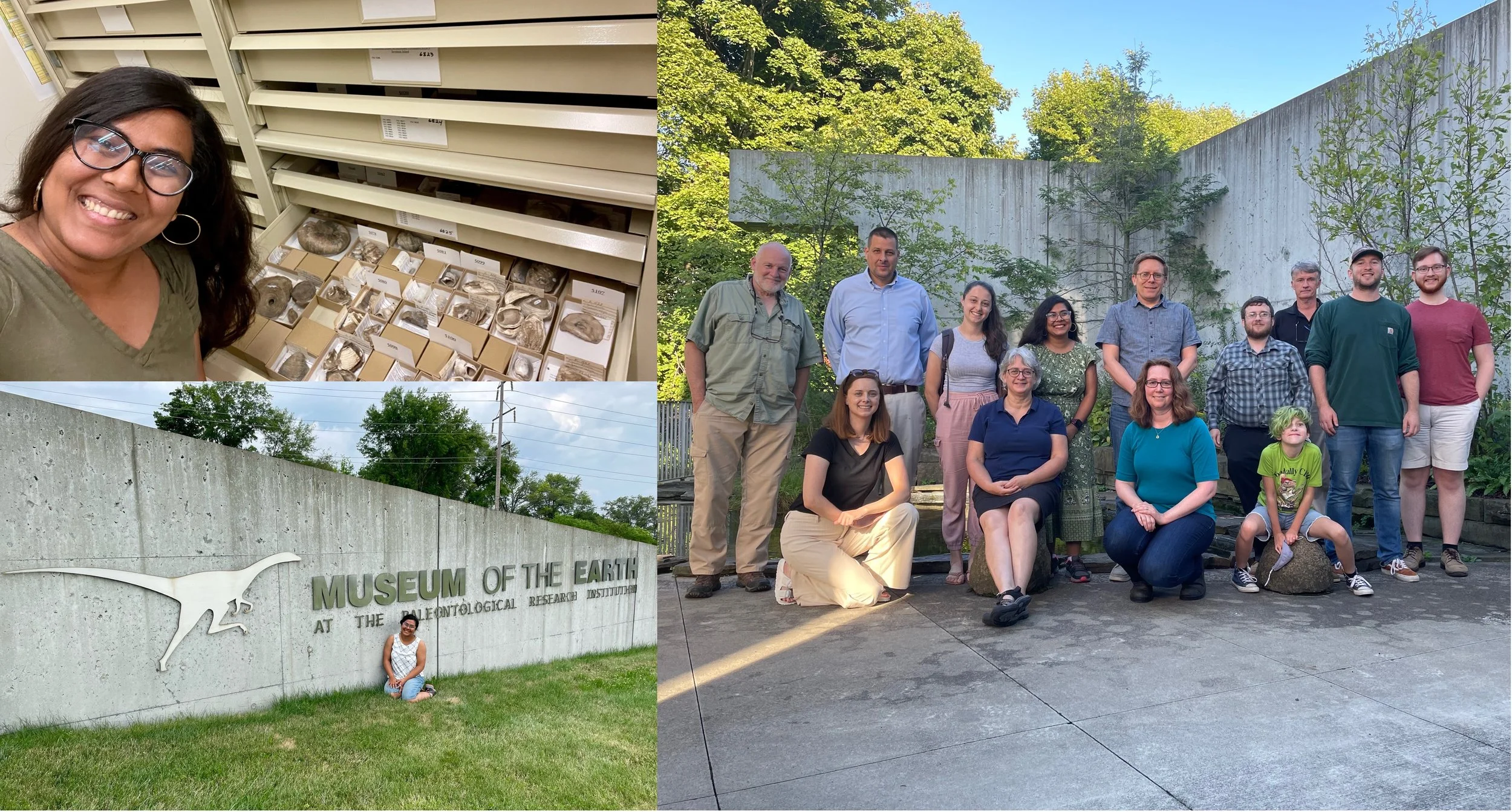
Photo 5: Fun times at PRI, in Summer 2022, with colleagues old and new.
These sensitivity tests allowed us to extract robust ecological signals from the collection. We found that Antarctic seafloor communities did not show evidence of gradual ecological decline in the ~4 million years leading up to the extinction. Instead, ecological complexity increased through time (Photo 6), with species showing more organized associations, suggesting increasingly specialized and interconnected communities. This pattern is inconsistent with a slow, stepwise deterioration of ecosystems, and instead supports the hypothesis of a single, catastrophic extinction event at the K–Pg boundary.
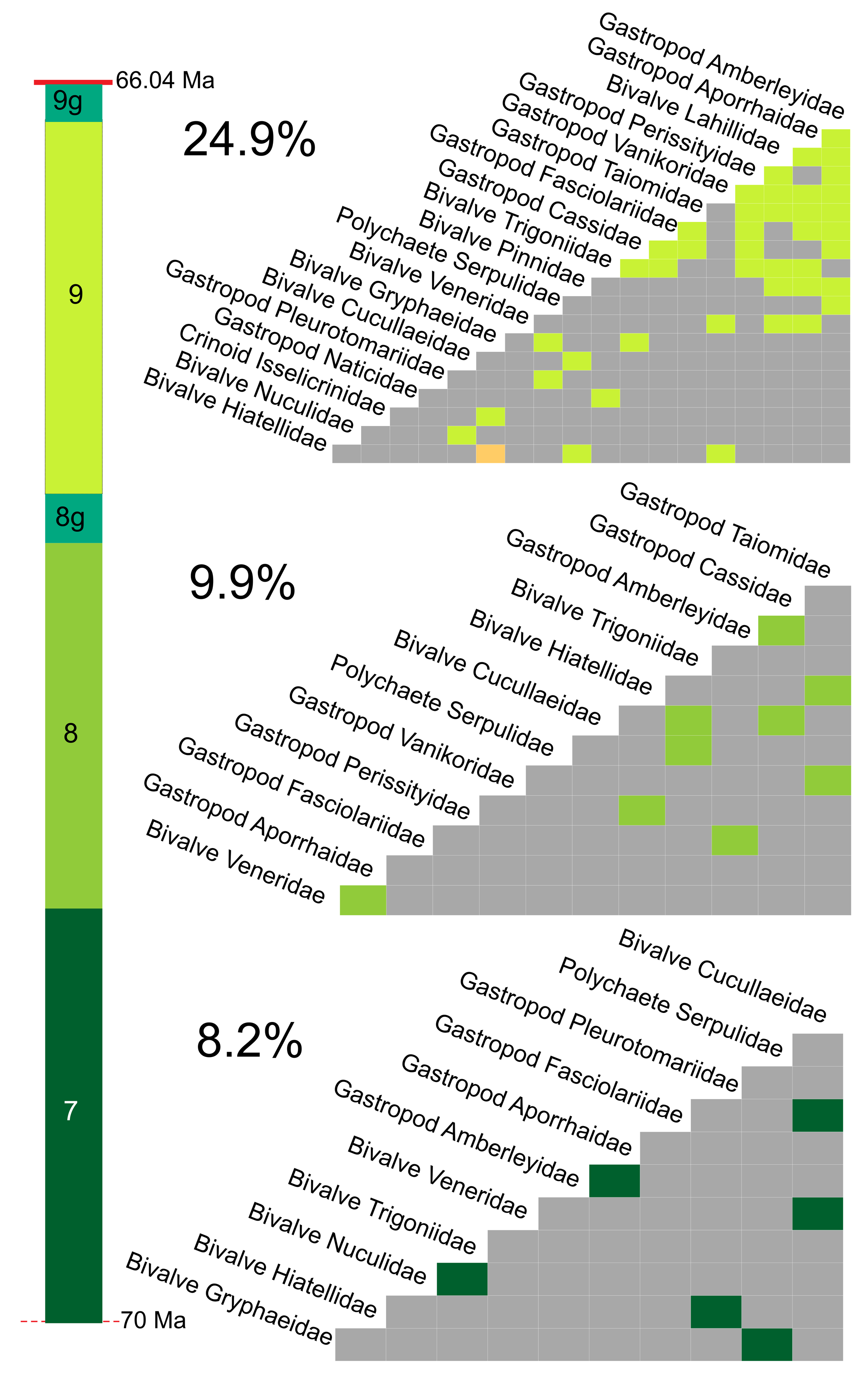
Photo 6: Figure from Ref. 8, showing increase in the percentage of non-random associations of different fossil groups through time (time on the vertical axis on the left, oldest at the bottom).
This study depended entirely on museum collections, guided to some degree by those who made some of the collections. Fossils are our only direct record of ancient life. In a recent paper, Warren and several of his PRI colleagues argued that that record exists in two forms: the “physical” specimens themselves, and the data we derive from them as the “abstracted” fossil record. They described museums “as the conduit between the two”, preserving material collected decades ago while enabling new questions to be asked of it in the present [3]. The Zinsmeister Collection, assembled through extensive Antarctic fieldwork in the 1980s and later housed at PRI, represents one of the largest collections of Antarctic macrofossils in the world. Yet much of this material has remained underused in recent quantitative studies, in part because of the very challenges we worked through in my project. By revisiting these specimens with modern ecological tools, we were able to bridge that gap - transforming drawers of fossils into datasets that can inform debates about global extinction events. In an era where palaeontology is increasingly driven by large databases, museum collections also hold vast amounts of “dark data” that have yet to be digitized or integrated, meaning that many insights into Earth’s history are still waiting to be uncovered [4, 5].
But the question is not only what we can learn from these collections, but also who is able to work with them. If museum collections (and image data, as in the rest of my PhD) can make Antarctic science more accessible, then the next question becomes unavoidable: who gets to do Antarctic science? Fieldwork on the continent remains logistically complex, very expensive, and limited to relatively few researchers each year. While such work is essential and underpins everything we know about Antarctica, it also shapes who is able to participate. As paleontologists, our work often falls under the umbrella of “geosciences”, and geosciences are the least racially and ethnically diverse STEM fields [6]. In the United States, fewer than 10% of doctoral degrees in geosciences are awarded to racialized minorities [7]. Across the Atlantic, the demographics of the British Antarctic Survey (used as a proxy for demographics of polar researchers) do not reflect the demographics of UK society (Photo 7, sources within figure). Looking at population data from 2016 – 2019, UK society comprised of 50.7% women, 16% from Black, Asian and Minority Ethnic (BAME) backgrounds, 19% disabled, and 5% LGBTQ+. In higher STEM education, the breakdown was 45% women, 16% BAME, 8% disabled, 7% LGBTQ+, and within BAS (polar science community proxy), the numbers were shocking: 39% women, 3% BAME, 1.8% disabled, 2% LGBTQIA. This study was conducted prior to my arrival at BAS, but if I had been there, as a South Asian woman, I’d have fallen in that 3%. I am not going to speculate on the reasons behind these numbers as that is outside of the scope of this blog post, but a statement from one US based geoscience case study stood out: “Students in these programs will likely find that they are the only one of their racial or ethnic group in a class,” [6]. That has certainly been the case for me in the last ten years.
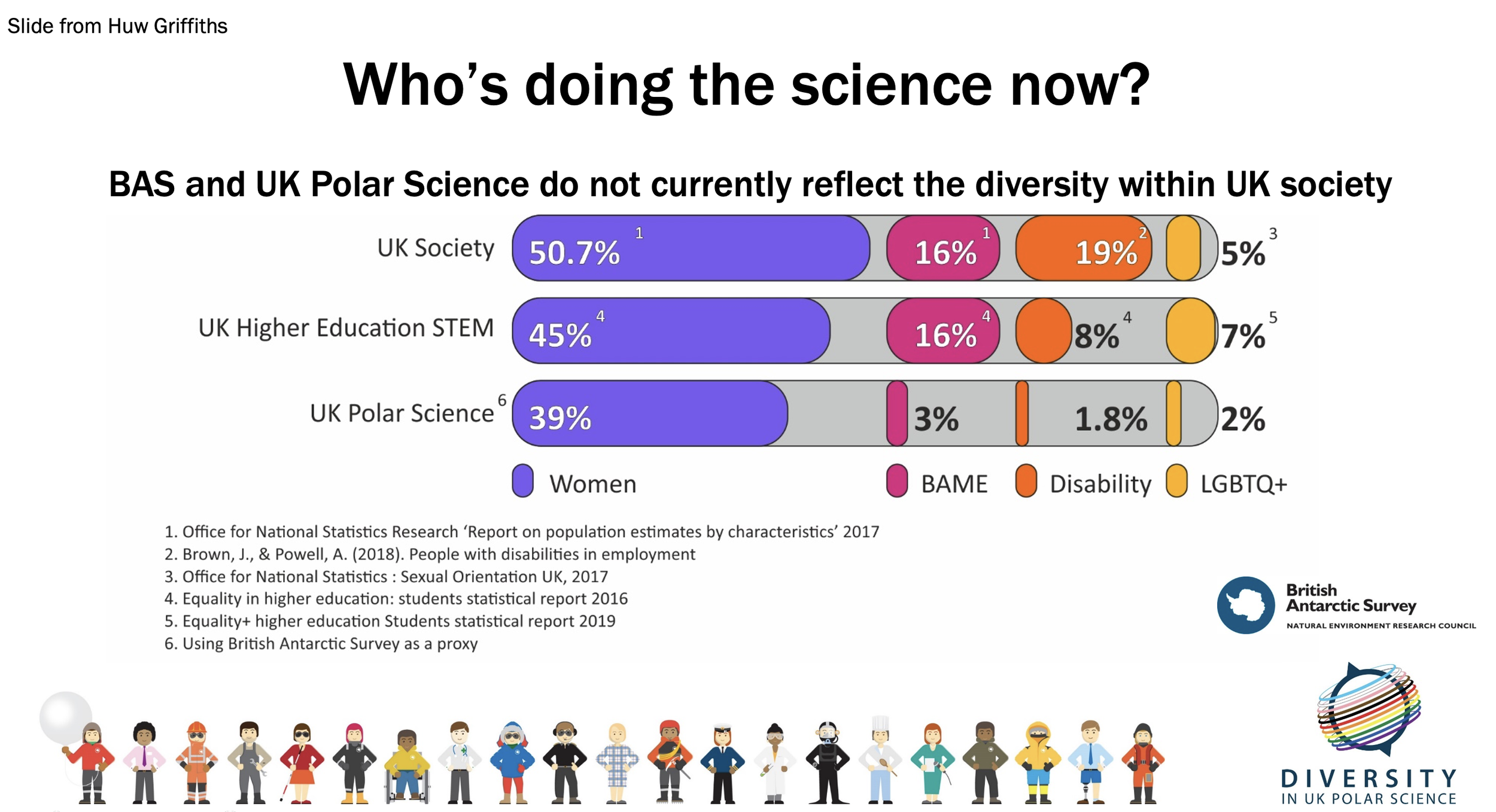
Photo 7: Mismatch between UK demographics and the UK Polar Scientific community. Slide provided by my supervisor, Dr. Huw Griffiths, British Antarctic Survey.
It is in this context that places like PRI matter. Long before I thought about questions of access or representation, it was the collections at PRI that first allowed me to engage with Antarctica – not as a distant, inaccessible place, but as something I could study, question, and feel connected to. Those drawers of fossils in a basement in Ithaca set in motion a journey that has taken me across disciplines, continents, and timescales, and ultimately back again. The work I have done since – whether with fossils or seafloor imagery – has relied on forms of access that do not require physical presence in Antarctica, but still contribute meaningfully to our understanding of it. If Antarctic science is to become more inclusive, then these alternative pathways matter. Museums, collections, and openly shared datasets do more than preserve the past; they create entry points into the field, foster a sense of belonging, and make it possible for more people to see themselves as Antarctic scientists. I have never been to Antarctica, and yet, through PRI, Antarctica has always been part of my scientific world.
References
[1] Hull, P.M., A. Bornemann, D.E. Penman, M.J. Henehan, R.D. Norris, P.A. Wilson, P. Blum, L. Alegret, S.J. Batenburg, P.R. Bown, and T.J. Bralower, 2020. On impact and volcanism across the Cretaceous-Paleogene boundary. Science, 367(6475), pp.266-272.
[2] Macellari, C.E., 1984. Late Cretaceous stratigraphy, sedimentology, and macropaleontology of Seymour Island, Antarctic Peninsula (Doctoral dissertation, The Ohio State University).
[3] Allmon, W.D., G.P. Dietl, J.R. Hendricks, and R.M. Ross, 2018, Bridging the two fossil records: Paleontology’s “big data” future resides in museum collections. In Rosenberg, G.D., and Clary, R.M., eds., Museums at the forefront of the history and philosophy of geology: History made, history in the making. Geological Society of America Special Paper 535, p. 35-44. https://doi.org/10.1130/2018.2535(03)
[4] Marshall, C.R., S. Finnegan, E.C. Clites, P.A. Holroyd, N. Bonuso, C. Cortez, E. Davis, G.P. Dietl, P.S. Druckenmiller, R.C. Eng, and C. Garcia, 2018. Quantifying the dark data in museum fossil collections as palaeontology undergoes a second digital revolution. Biology Letters, 14(9).
[5] Dean, C.D., and J.R. Thompson, 2025. Museum ‘dark data’show variable impacts on deep-time biogeographic and evolutionary history. Proceedings of the Royal Society B: Biological Sciences, 292(2041).
[6] Beane, R.J., E.M. Baer, R. Lockwood, R.H. Macdonald, J.R. McDaris, V.R. Morris, I.J. Villalobos, and L.D. White, 2021. Uneven increases in racial diversity of US geoscience undergraduates. Communications Earth & Environment, 2(1), p.126.
[7] Earth Science Has a Whiteness Problem - https://www.nytimes.com/2019/12/23/science/earth-science-diversity-education.html
[8] Khan, M., R. Whittle, J. Witts, H. Griffiths, A. Manica, and E. Mitchell, 2025. Metacommunity structural changes of Antarctic benthic invertebrates over the late Maastrichtian. Palaeogeography, Palaeoclimatology, Palaeoecology, 683. 113495. 10.1016/j.palaeo.2025.113495.