

What’s up with Wetlands: Exploring the Relationship Between Wetlands, Humans, and Climate Change
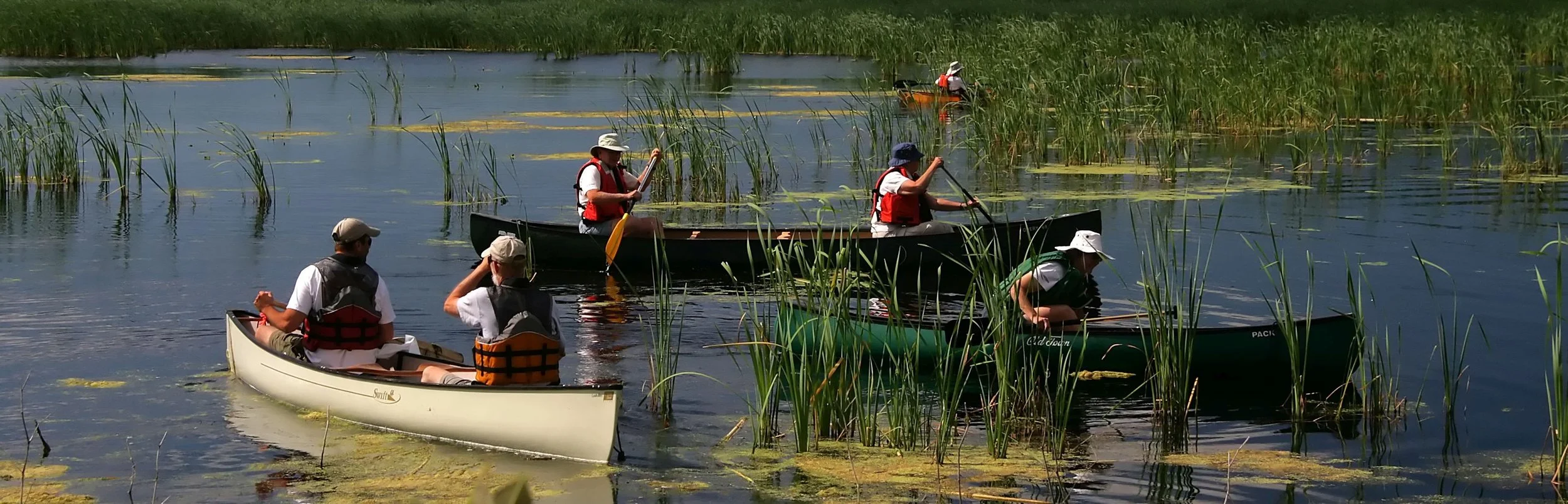
Volunteers restoring marshland at Montezuma National Wildlife Refuge in New York. Image by Phillip Bonn, Public Domain.
By Abigail MacAlpine, Summer 2026 Climate Change Education Outreach Intern
Published August 10, 2026.
What are wetlands?
Wetlands come in many shapes and sizes, and are found in both freshwater and saltwater ecosystems. Even given this variety, there are a few common elements found in all wetlands. Whether they are forested swamps, wet meadows, or tidal estuaries, all wetlands have a specific hydrology, hydric soils, and hydrophytic plants if vegetation is present.
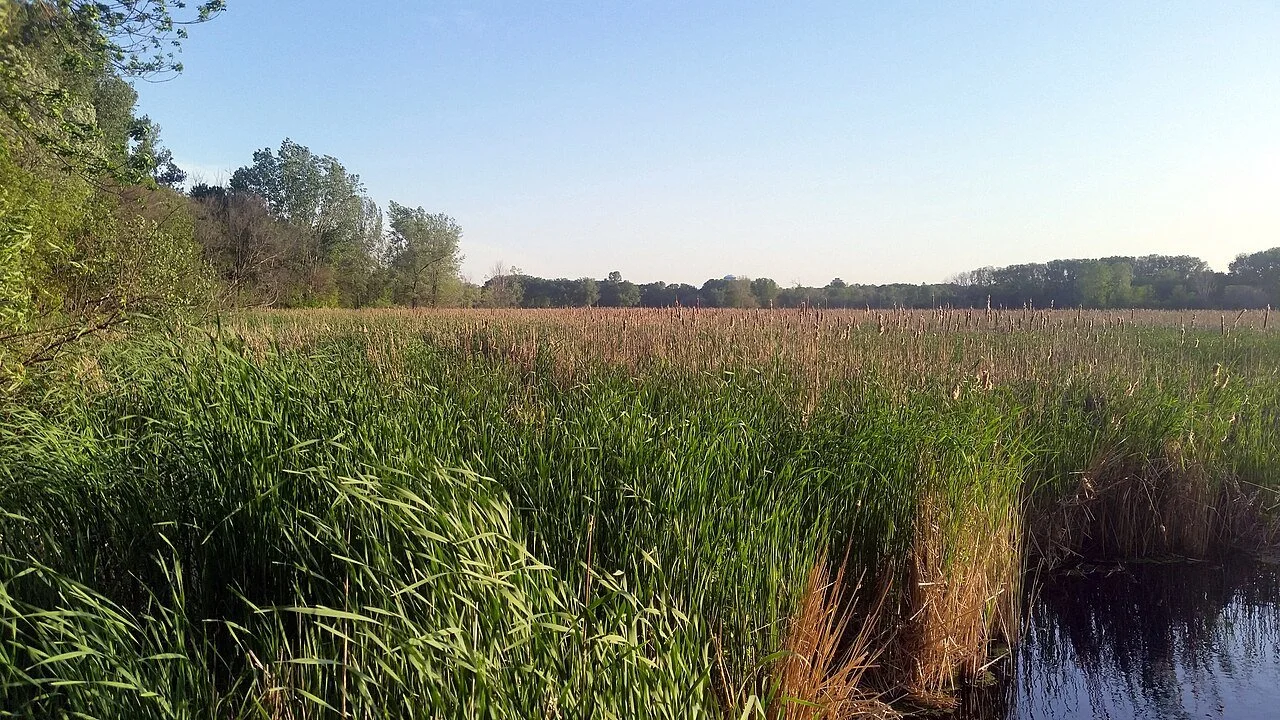
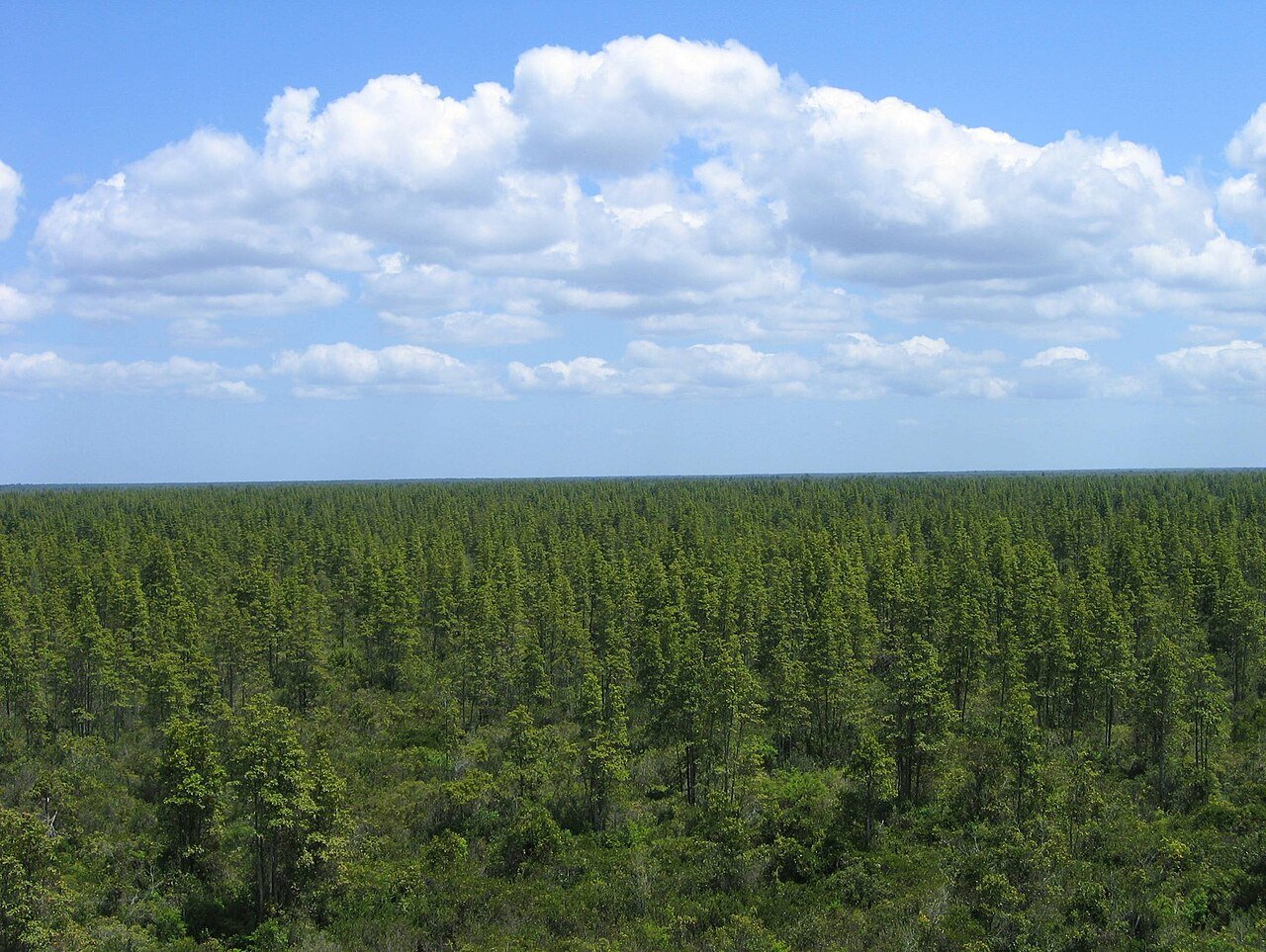
The first defining characteristic of a wetland is its unique hydrology. Hydrology refers to the study of water, including its occurrence, distribution, movement, and properties. [1] In wetlands, the underlying soil and sediment, called the substrate, must be covered by shallow water at some point during each year’s growing season. Some wetlands are covered with water throughout the entire year, like marshes, while others are only seasonally flooded. Some unique types of wetlands, like pocosins found in the Southeastern United States, achieve wetland classification because of their extremely shallow water table. [2] Although pocosins do not usually have any standing water, the soils remain saturated right below the surface, supporting the characteristic soil and plant types found in wetland ecosystems.
When soils are saturated with water long enough, they begin to develop anaerobic conditions in the upper substrate. Anaerobic soils are depleted of oxygen, sometimes almost entirely. When oxygen is reduced in a soil microbiome, it can no longer support types of bacteria that use oxygen to break down organic material, called aerobic bacteria. Aerobic bacteria die off, and anaerobic bacteria dominate the microbiome. As the name suggests, anaerobic bacteria are the opposite of aerobes, and thrive in oxygen-poor environments. Anaerobic bacteria use other chemical elements to facilitate their life processes and are less efficient at decomposing organic matter than aerobes. [3]
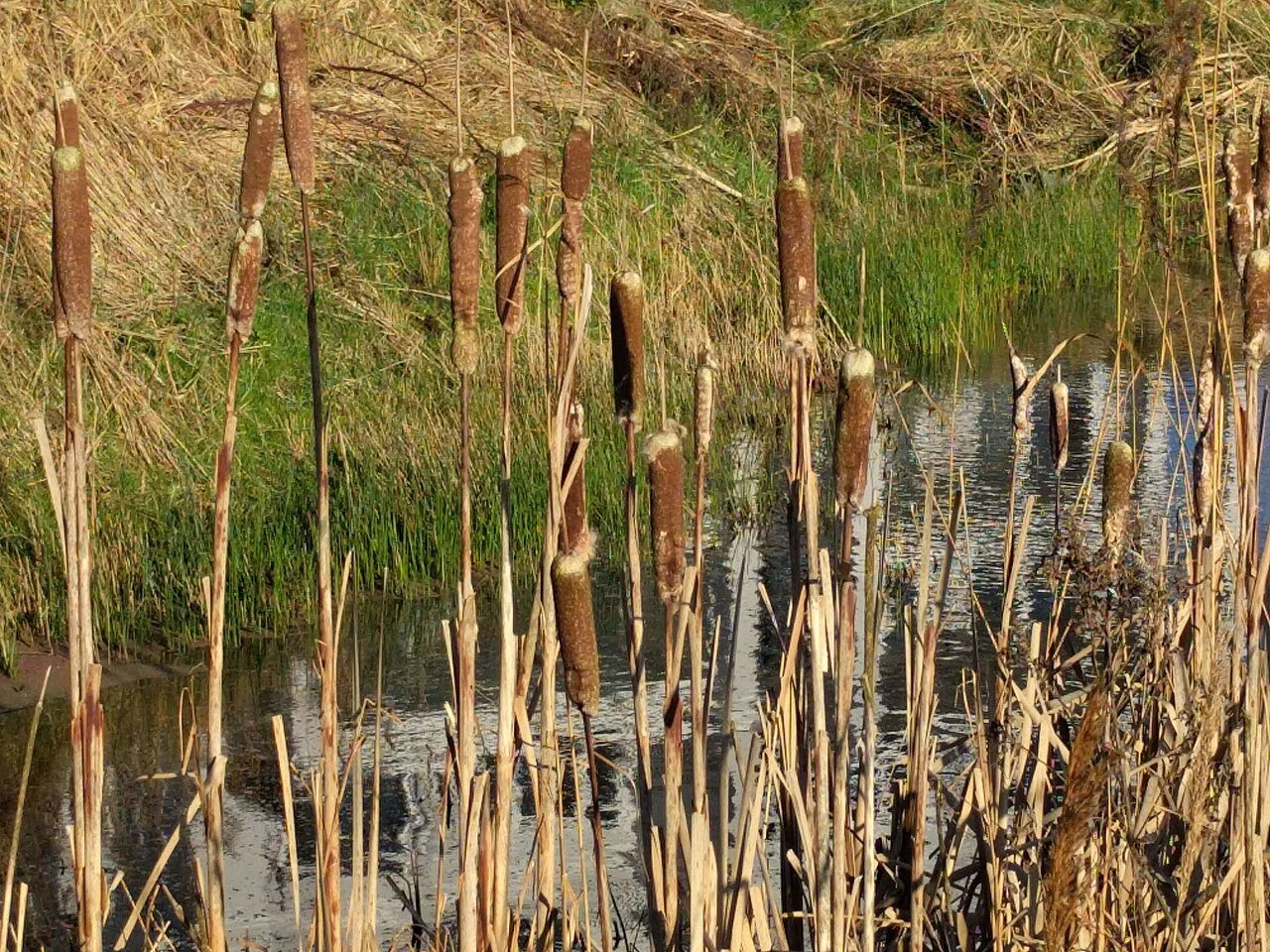
Lastly, if vegetation is present, it must be hydrophytic, or “water loving.” Hydrophytic plants have adapted to wet, anaerobic soils by developing space for oxygen molecules in their roots and stems, which can diffuse to other parts of the plant when needed. [4] Many species can be classified as wetland vegetation, including some trees and shrubs, emergents, rooted or free-floating vegetation, bog mat, and submergent vegetation. [5]
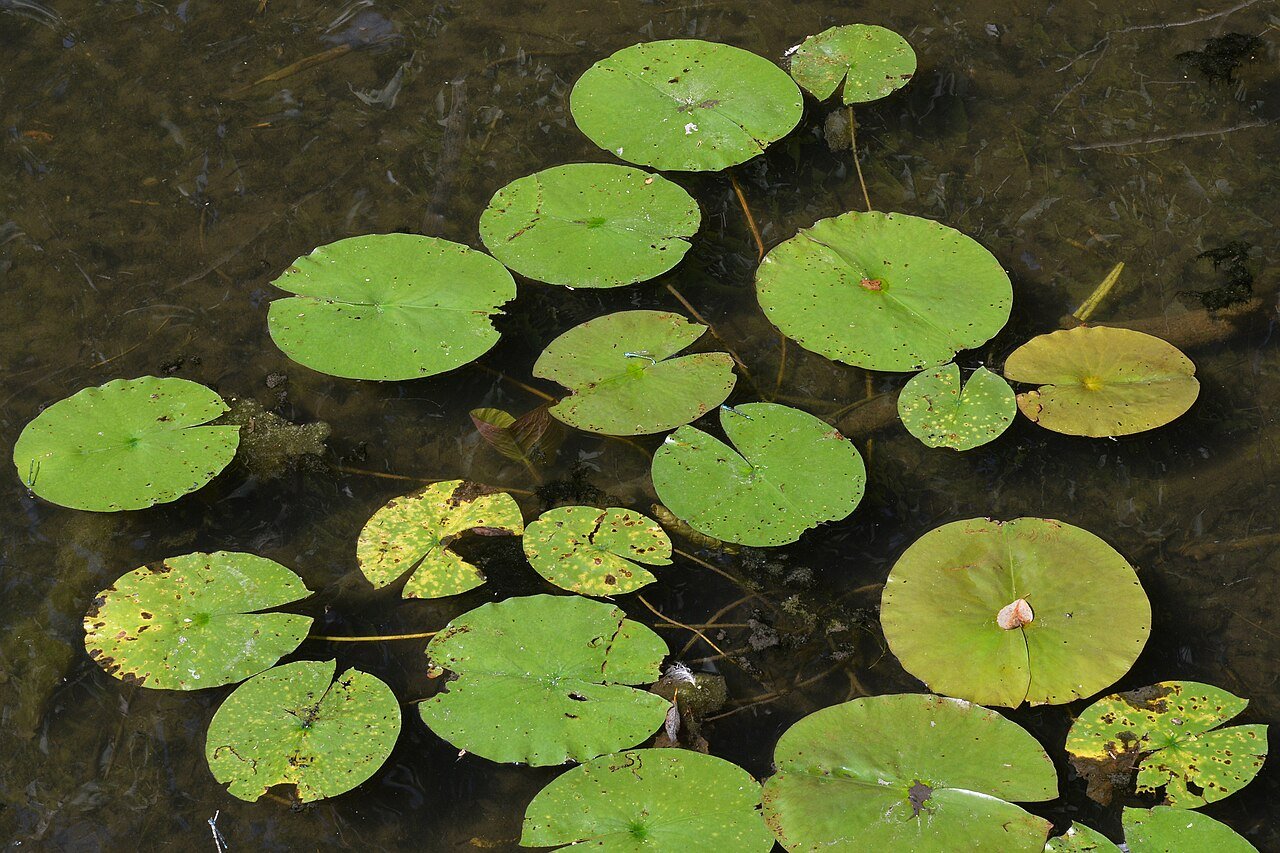
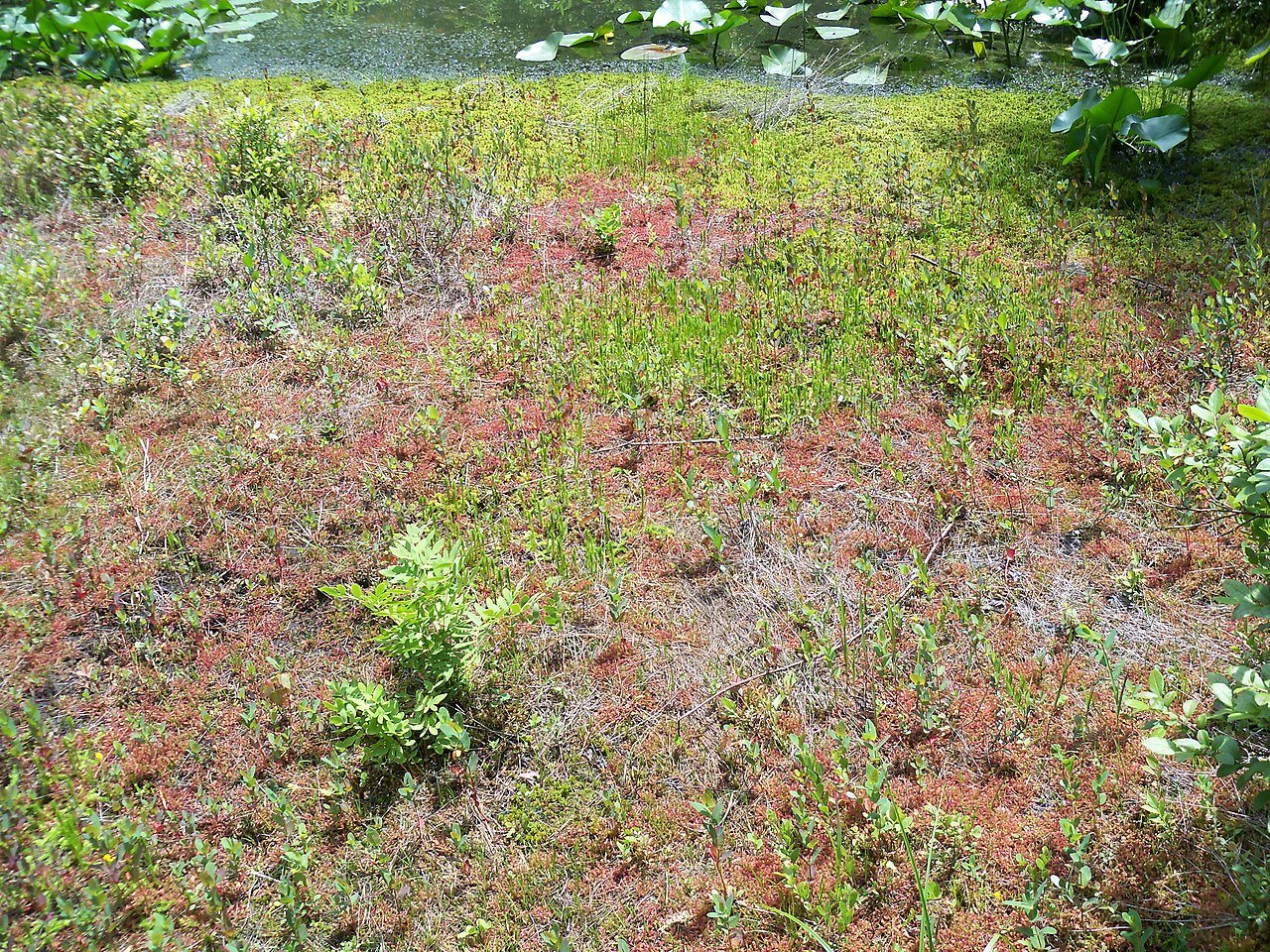
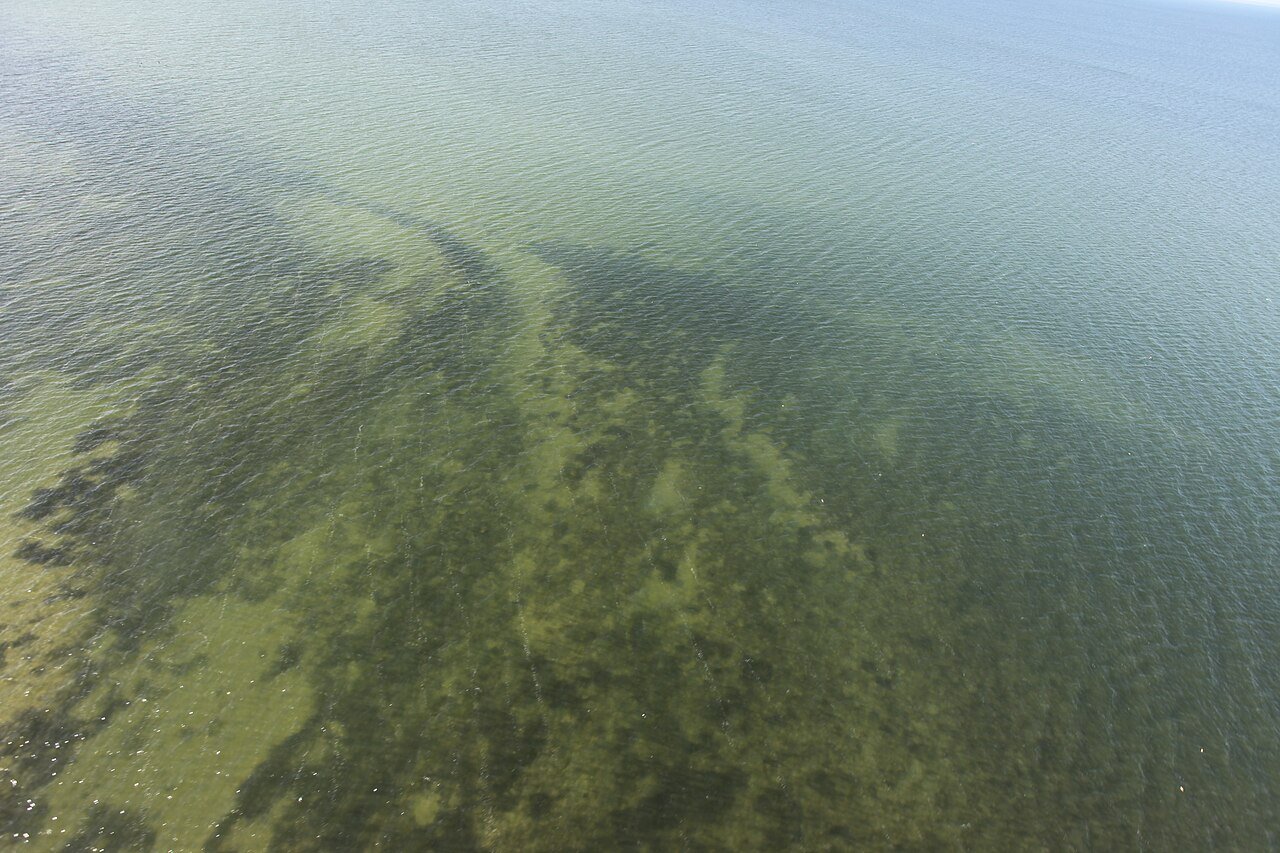
Wetlands are protected under Section 404 of the Clean Water Act, which sets guidelines for obtaining a permit to dredge, fill, and convert wetland areas for other uses. [6] Some states have additional protections, while others only rely on the federal regulations. In New York, wetlands are further defined and protected under the 1975 New York Freshwater Wetlands Act. [7] This act applies to wetland ecosystems greater than or equal to 12.4 acres in size, though the threshold will decrease to 7.4 acres by January of 2028. This act also protects freshwater wetlands mapped prior to January 1, 2025, and those designated as wetlands of “Unusual Local Importance” for their ecological, regulatory, recreational, educational, or aesthetic value. However, some wetlands that are smaller than the outlined acreage, or those that are only seasonally flooded, may not receive protections. Since the regulatory definitions of what wetlands are do not always encompass the extent of wetland types included in the ecological definition, fully protecting threatened ecosystems can pose a challenge.
How are wetlands being impacted by climate change?
Since the beginning of European colonization in North America, a long-term pattern of net wetland loss has occurred. It is estimated that over 100 million acres of wetlands across the United States have been lost because of human action, more than half of the original wetland area. [8] The decrease in total wetland area has largely been driven by draining and filling wetlands to convert the land to other uses. In the mid-1900s, increasing agricultural development prompted more filling and draining, as the nutrient-rich soils were excellent for supporting commodity crops. Drivers shifted in the late 1900s, with urban and rural development contributing to 53% of total wetland loss. [9] As population continues to increase, humans require more upland areas (places above the typical flooding elevation) to support residential, industrial, and agricultural needs. Currently, the conversion of wetlands to upland areas is estimated to be the main cause of net wetland loss, but other phenomena like climate change also have an impact. [10]
Under healthy circumstances, wetlands can be very successful at regulating the flow and nutrient load of water. But when human-caused degradation of the environment combines with more frequent and severe storms related to climate change, the health and existence of wetland ecosystems are further at risk. Increasing global temperatures lead to more evaporation and changes in precipitation patterns, like more frequent heavy rain storms. During these storms, more water is deposited on the landscape at once, increasing the risk of flooding and severe erosion. More water with increased sediment load then enters wetlands, overwhelming the natural filtration processes and damaging habitats of the other wetland species. As climate change causes storm events to occur more frequently, there is less time for wetland ecosystems to recover in between storms.
Degradation of wetlands can also contribute to climate change. In some wetlands like peat bogs, the soils are highly waterlogged and acidic, which prevents organic matter from fully decomposing. This makes peat bogs excellent repositories of carbon. In fact, peatlands store as much carbon as all of the Earth’s forests combined. [11] When wetlands are drained, the underlying substrate is exposed, and the organic carbon that has been building in the soils begins converting to carbon dioxide. Drained or harvested peat bogs may continue to release carbon dioxide for up to 30 or 40 years after its original exposure. [12] Not only should we aim to protect wetlands for the climate change mitigation potential, but also to prevent further greenhouse gas emissions into the atmosphere.
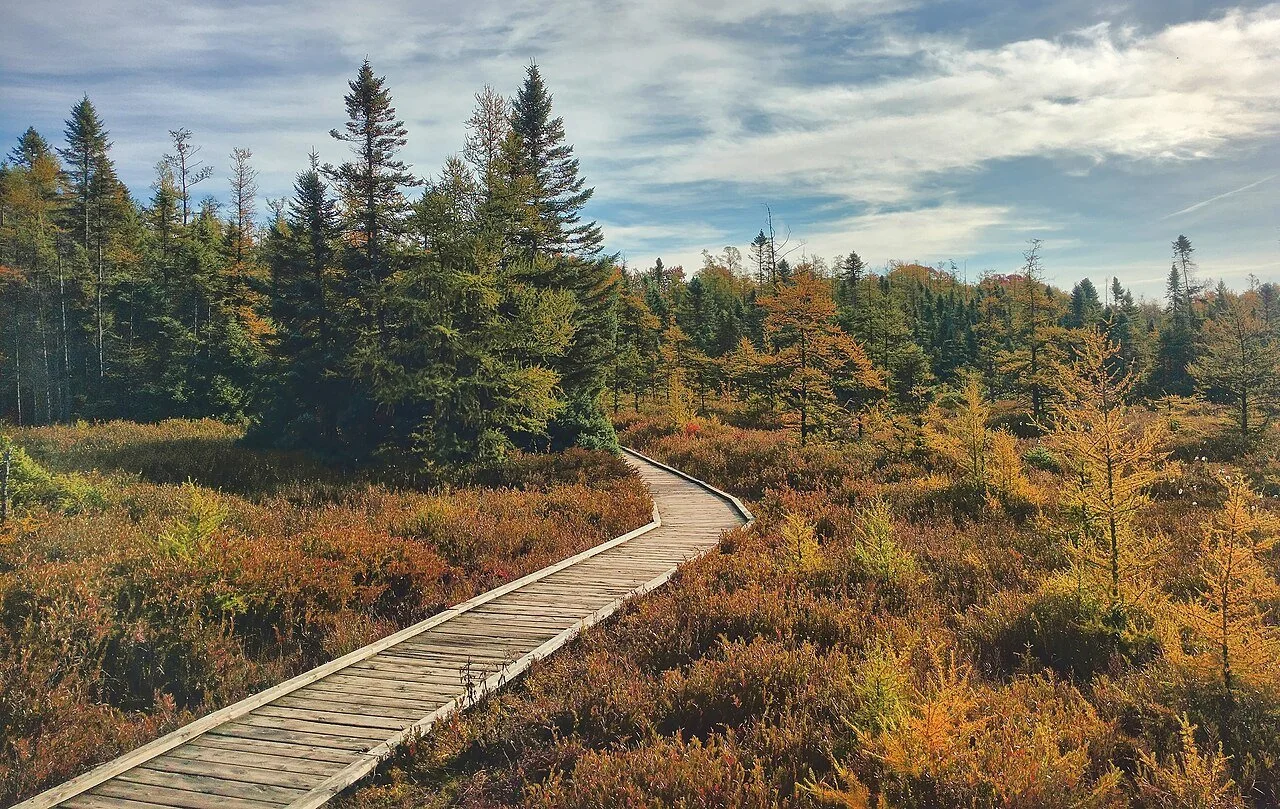
A boardwalk running through peatlands in the Sifton Bog Environmentally Significant Area in Canada. (CC BY-SA 2.5 CA) via Wikimedia Commons.
How can wetlands help humans mitigate climate change impacts?
Wetlands are essential regulatory systems in watersheds around the world, helping to slow precipitation runoff, recharge groundwater sources, reduce the impacts of flooding, absorb excess nutrients, sequester carbon, reduce erosion, and provide essential habitat for species threatened by climate change. All of these services are also interconnected; when one part of the ecosystem is out of balance, it can have cascading impacts on the other elements.
One of the biggest ecosystem services provided by wetlands is their ability to filter excess nutrients, sediment, and pollution from the water. Wetlands facilitate three types of filtration: physical, biological, and chemical. [13] When water enters a wetland, it typically slows, sometimes to a standstill. Moving water has the ability to suspend and carry sediment. As water flows from high to low points in the landscape, its velocity is gradually reduced, and it can no longer hold as many sediment particles. The heaviest particles are deposited first, and more settle out as water flow continues to slow. Water velocity slows further when it reaches a level spot in the profile and when vegetation is present and increasing friction. Wetlands provide optimal places for water to slow and sediments to settle.
Wetland plants and soils also provide a biological filter by taking chemical compounds like nitrates out of the water. Instead of oxygen, anaerobic bacteria present in wetlands use other molecules to fuel their life processes, including compounds like nitrates (NO3). Bacteria undertake a denitrification process, where nitrates are reduced to nitrogen gas and released into the atmosphere. [14] Other nutrients like phosphorus can also bind to sediments suspended in the water. After they are physically filtered out by the slowing water, they can then be biologically filtered and taken up by wetland plants. When wetlands are present near major sources of nitrate and phosphorus pollution, like agricultural fields, they can help reduce the excess nutrient load before it enters lakes and ponds and contributes to harmful algal blooms.
Wetlands typically also have a high cation exchange capacity (CEC), which is the soil's ability to store a particular group of nutrients. [15] Soils are composed of sand, silt, clay, and organic matter, some of which have a negative electrical charge. Negatively-charged ions (anions) in the soil can bind with positively-charged ions (cations) and exchange them when they are taken in by plants. [16] Wetland soils are usually more clayey and contain more organic matter because of their unique decompositional environment, which creates a more nutrient-rich substrate to support plant growth.
In addition to their filtering capacity, wetlands can also reduce the impacts of flooding. When precipitation occurs, some of the water soaks into the ground while the rest stays on the surface and moves as runoff. Some places in the landscape cannot absorb much water because they have a lot of impervious surfaces. This is particularly true of cities, where roads, concrete sidewalks, and buildings block the water from entering the soils. Sometimes, after a long period of drought, soils can dry out and become compacted, reducing their ability to retain water. [17] In these cases, wetlands are especially important because they can hold so much water, recharge groundwater stores, and release water more slowly into the watershed. One acre of wetland can typically store about 1 million gallons of water. [18] When wetlands are not present, water can pool on impervious surfaces and enter streams much more quickly, increasing the likelihood of flooding.
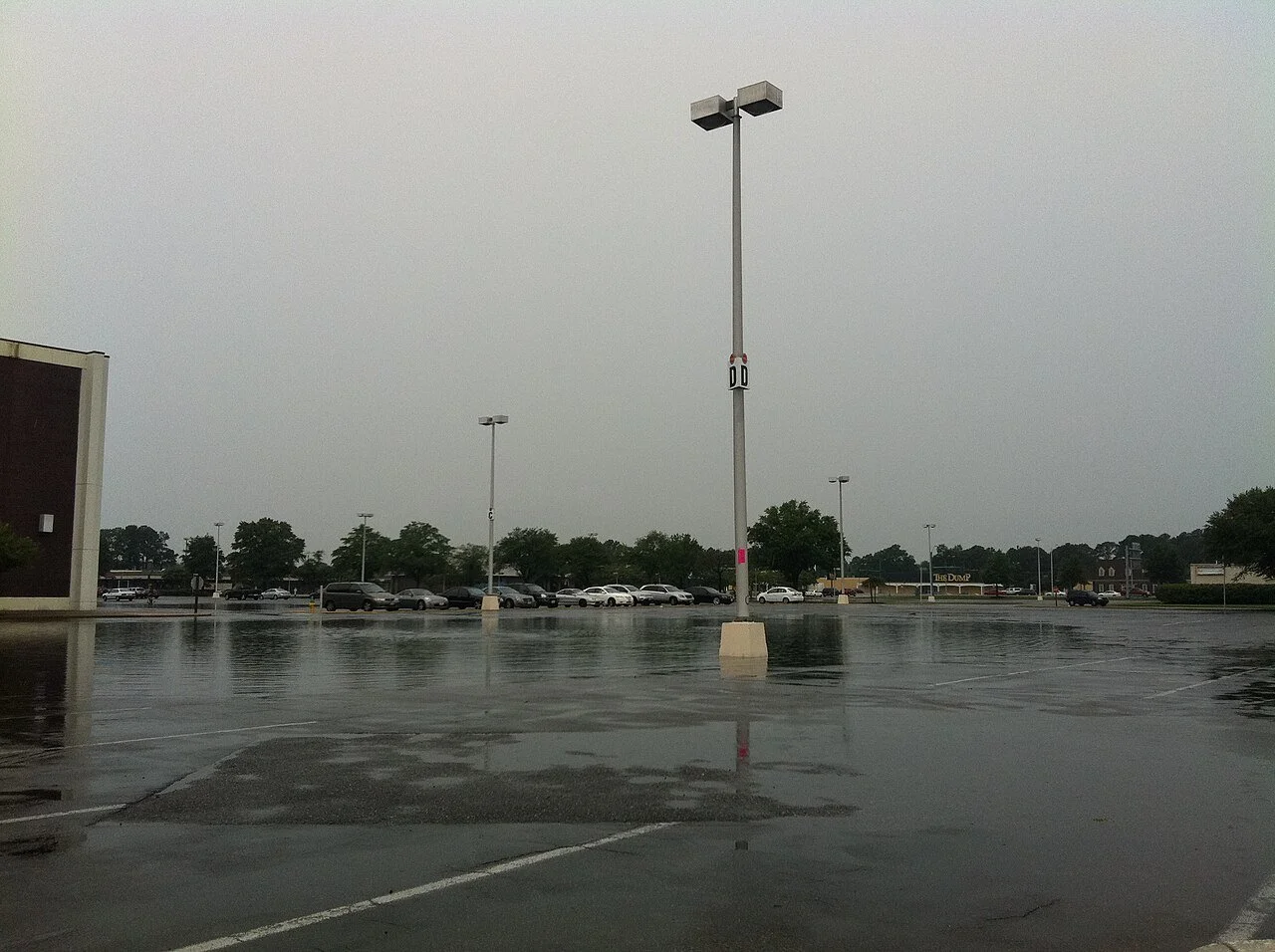
Flooded parking lot at Military Circle Mall in Norfolk, Virginia. (CC BY-SA 2.0) via Wikimedia Commons.
What measures can be taken to protect wetlands?
While wetlands have the potential to help humans and ecosystems withstand the impacts of climate change, increased storm frequency and severity, drought, and flooding, combined with human-caused degradation of the environment, puts wetlands further at risk. The loss of these wetland ecosystems and an increase in climate change-related hazards has increased the frequency and severity of flooding and sedimentation in streams and lakes, further overwhelming degraded ecosystems. But the outlook for wetlands is not all bad. Organizations around the U.S., and around the world, are dedicated to restoring and protecting wetlands for the ecological and cultural services they provide, and their potential to mitigate climate change impacts.
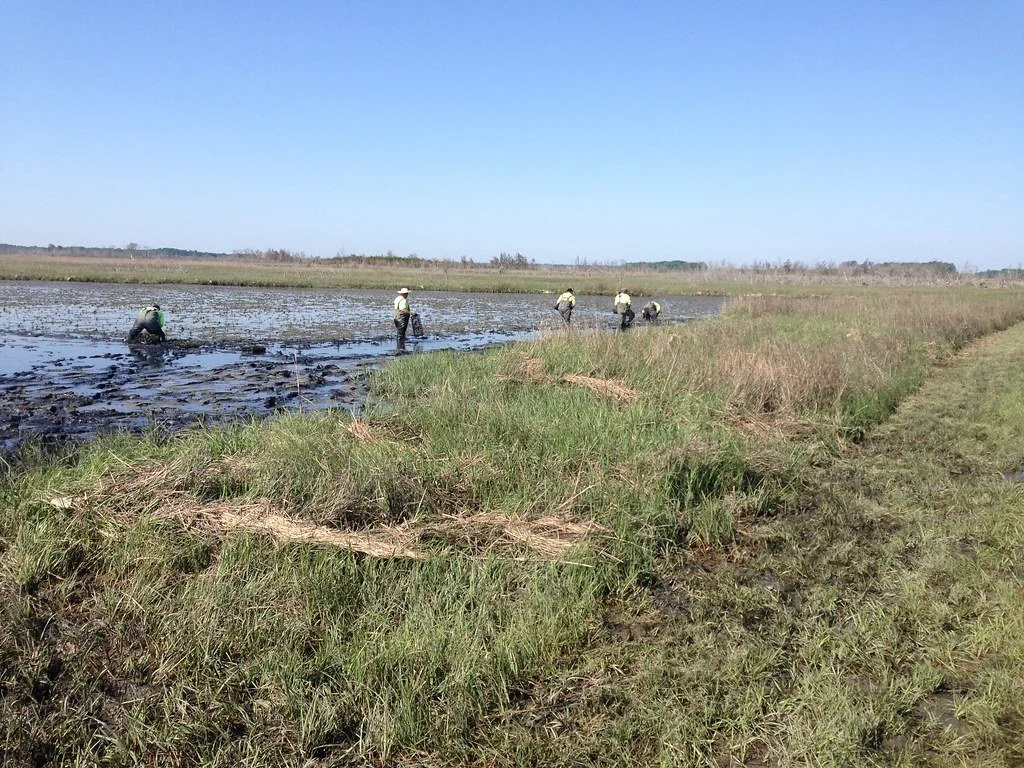


Planting spartina marsh grass at Prime Hook National Wildlife Refuge in Delaware. Image by Bart Wilson and licensed under PDM 1.0 via Flickr.
In the United States, the Environmental Protection Agency (EPA) outlines two types of wetland restoration - regulatory and voluntary. [19] Regulatory restoration may be mandated by the federal government, state, tribal, or local laws and regulations to prohibit, condition, or compensate for permitted impacts to existing wetlands. Voluntary restoration encompasses any activities that are not required by statutes or regulations. Both types of restoration must comply with the goals of implementing the standards of the Clean Water Act and the Safe Drinking Water Act. Most wetland organizations in the U.S. operate under voluntary restoration guidelines to protect endangered species, monitor water quality, and offer wetland mitigation credits, among other efforts. But these organizations cannot continue this essential work without the contributions of dedicated volunteers and environmentally-conscious people. Consider all that we have to gain from protecting our wetlands, and think about the role you could play in building a sustainable future.
Learn More
National Wetlands Inventory Mapper, a mapping tool you can use to learn about wetlands across the United States.
Wetlands and Stream Conservation Resources, links to ongoing restoration projects and organizations in the United States and internationally.
Wetlands International, an organization working to restore and protect wetlands around the world, primarily centered across Africa, Asia, Europe, and Latin America.
References
[1] U.S. Geological Survey. (2019, May 23). What is Hydrology? https://www.usgs.gov/water-science-school/science/what-hydrology
[2] United States Environmental Protection Agency. (2026, January). Classification and Types of Wetlands. https://www.epa.gov/wetlands/classification-and-types-wetlands#undefined
[3] Biology Online. (2022, June 12). Aerobic bacteria. https://www.biologyonline.com/dictionary/aerobic-bacteria
[4] Juniata College. (n.d.). Wetlands: A Living Filter. https://www.juniata.edu/offices/field-station/media/wetlands-module.pdf
[5] N.Y. Environmental Conservation Law. §24-0107. https://extapps.dec.ny.gov/docs/wildlife_pdf/wetart24a.pdf
[6] U. S. Environmental Protection Agency. (2015, March 3). Protection of Wetlands (Executive Order 11990). https://www.epa.gov/cwa-404/protection-wetlands-executive-order-11990
[7] New York State Department of Environmental Conservation. (n.d.). Freshwater Wetlands Program. https://dec.ny.gov/nature/waterbodies/wetlands/freshwater-wetlands-program
[8] Cayuga Lake Watershed Network. (n.d.). Wetlands Maps Updated for Tompkins County. https://www.cayugalake.org/the-watershed/wetlands-maps-updated/
[9] Lang, M.W., Ingebritsen, J.C., Griffin, R.K. 2024. Status and Trends of Wetlands in the Conterminous United States 2009 to 2019. U.S. Department of the Interior; Fish and Wildlife Service, Washington, D.C. 43 pp. https://www.fws.gov/sites/default/files/documents/2024-04/wetlands-status-and-trends-report-2009-to-2019_0.pdf
[10] Lang, M.W., Ingebritsen, J.C., Griffin, R.K. 2024. Status and Trends of Wetlands in the Conterminous United States 2009 to 2019. U.S. Department of the Interior; Fish and Wildlife Service, Washington, D.C. 43 pp. https://www.fws.gov/sites/default/files/documents/2024-04/wetlands-status-and-trends-report-2009-to-2019_0.pdf
[11] Wildfowl and Wetlands Trust. (n.d.). Peat Bogs. https://www.wwt.org.uk/discover-wetlands/wetlands/peat-bogs
[12] Pokorny, K. (2022, December 9). Harvesting peat moss contributes to climate change, Oregon State Scientist says. https://news.oregonstate.edu/news/harvesting-peat-moss-contributes-climate-change-oregon-state-scientist-says
[13] Scharf, R. (n.d.). Soil Composition and Formation: Wetland Soils. https://webapp1.dlib.indiana.edu/virtual_disk_library/index.cgi/4928836/FID409/html/envicond/soil/slwetlnd.htm
[14] Miller, B. (n.d.). Wetlands and Water Quality. https://www.extension.purdue.edu/extmedia/wq/wq-10.html
[15] Scharf, R. (n.d.). Soil Composition and Formation: Wetland Soils. https://webapp1.dlib.indiana.edu/virtual_disk_library/index.cgi/4928836/FID409/html/envicond/soil/slwetlnd.htm
[16] Mengel, D. (n.d.). Fundamentals of Soil Cation Exchange Capacity (CEC). https://www.extension.purdue.edu/extmedia/ay/ay-238.html
[17] DiMarzio, V. (2025, May 5). Dangers of a Drought. Chesapeake Bay Foundation. https://www.cbf.org/stories/dangers-of-a-drought/
[18] U.S. Environmental Protection Agency. (2026, April). Basic Information about Wetland Restoration and Protection. https://www.epa.gov/wetlands/basic-information-about-wetland-restoration-and-protection
[19] U.S. Environmental Protection Agency. (2026, April). Basic Information about Wetland Restoration and Protection. https://www.epa.gov/wetlands/basic-information-about-wetland-restoration-and-protection